Politics news and discussion on TalkFuse.
Armed Citizen Says Having AR-15 Of His Own Saved His Life During 2017 Texas Church Mass Shooting
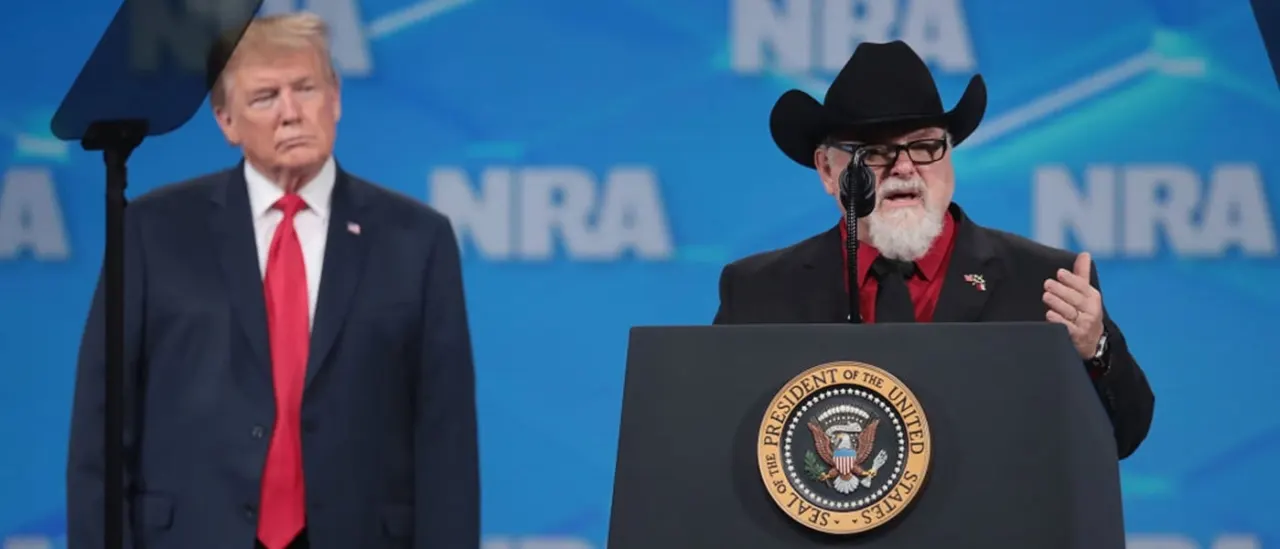
Stephen Willeford, who confronted the gunman during the 2017 mass shooting at First Baptist Church in Sutherland Springs, Texas, says his own AR-15 may have saved his life. He argues that having the rifle enabled him to intervene against an attacker wearing body armour, and has used the experience to advocate for gun ownership.
Willeford recalled hearing shots, taking his rifle and ammunition, and running across the street to confront the gunman. The attack killed 26 people and injured 20; Willeford also praised an Oregon resident who intervened during a school shooting. The article says at least 14 gun-related bills had been pre-filed in Texas, including six proposing restrictions on firearm access for people aged 18 to 20.
In short
- Willeford says his AR-15 helped him confront the Sutherland Springs gunman.
- The 2017 church attack killed 26 people and injured 20.
- At least 14 gun-related bills had been pre-filed in Texas.
Steelman: both sides, in good faith
The strongest fair case each way — we don't pick a winner.
The case for
Willeford’s account supports the case that a lawfully armed person can sometimes act quickly when police are not yet on scene, and that his rifle helped him confront an attacker protected by body armour. Advocates may argue that responsible adults should be able to own firearms for self-defence and to protect others, and that restricting access for 18- to 20-year-olds could leave some people less able to respond to immediate threats.
The case against
One dramatic intervention cannot establish that wider civilian gun ownership makes communities safer overall; widespread access can also increase the risk of accidents, suicide, escalation and weapons reaching people who intend harm. Those who support tighter rules, including age limits, may argue that reducing access to high-risk firearms is a reasonable way to prevent violence, while public safety should rely primarily on trained emergency services rather than expecting civilians to confront armed attackers.
Explained simply
In November 2017, a gunman opened fire during a service at First Baptist Church in Sutherland Springs, a small town in Texas. The attack killed 26 people and injured 20. The gunman wore body armour, which made it harder to stop him.
Stephen Willeford lived nearby and went to confront the gunman with his own rifle. His account has become part of wider debate in the United States about whether civilians carrying guns can help stop attacks, and about the risks of wider gun access.
Texas lawmakers have considered bills that would change firearm rules, including proposals to restrict access for people aged 18 to 20. The debate involves gun owners, lawmakers and people concerned about gun violence, and touches on how to balance public safety with the right to own firearms.