World news and discussion on TalkFuse.
Florence exhibition finds expressive power in sculpture’s fragments
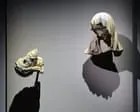
A new exhibition at the Palazzo Strozzi in Florence titled "Broken: The Power of Fragments" explores how damaged and fragmented sculptures can be more powerful and emotionally resonant than intact artworks. Featuring over 80 objects, the exhibition challenges the classical notion that beauty derives from wholeness and instead argues that fragments focus viewer attention on subtle details in ways that complete sculptures cannot. The show raises intriguing questions about why some works of art speak more profoundly in a broken state than when whole.
The exhibition showcases numerous historically significant fragments, including a striking sculpture of Akhenaten's lips and nose from the 14th century BC, a decapitated prior from the Protestant Reformation, remnants of an equestrian statue of Louis XIV destroyed during the French Revolution, and a bust of Mussolini defaced with a bullet hole. Throughout history, destroying images of rulers and deities was common practice during regime changes, as it was believed the images contained a "life force" that needed to be eliminated; in some cases, these defaced sculptures were intentionally displayed as deterrents. The exhibition also explores artistic fragmentation beyond historical destruction, including Japanese dogū figurines that may have been intentionally smashed like modern piñatas during ceremonial celebrations.
In short
- Broken sculptures can evoke stronger emotions than intact artworks by focusing attention on details
- Historical examples show deliberate destruction of images during religious and political upheaval
- Ancient beliefs held that destroying sculptures destroyed rulers' "life forces"
Steelman: both sides, in good faith
The strongest fair case each way — we don't pick a winner.
The case for
The exhibition presents a philosophically compelling case that fragmentation focuses attention and creates imaginative engagement in ways complete works cannot. Fragments invite viewers to look intently at surviving details and to participate imaginatively in reconstruction, whilst the historical context—whether religious iconoclasm or political suppression—demonstrates that even destructive acts can create new meanings. This perspective enriches our understanding of how art communicates across time and aligns with contemporary curatorial thinking that finds value in alternative readings of cultural objects.
The case against
Whilst fragmentation may create interesting visual effects, the exhibition risks obscuring a more sobering truth: these damaged works represent destruction and loss. Artists created complete visions; fragments result from violence, vandalism, or accidents that violated those intentions. Rather than celebrating aesthetic power in incompleteness, we should acknowledge that iconoclasm and destruction constitute cultural tragedy. Prioritising intact works and understanding fragmentation within its violent or destructive historical contexts shows greater respect for artistic intent and historical truth than finding triumph in damage.
Explained simply
A major new exhibition at Florence's Palazzo Strozzi examines how damaged and incomplete sculptures can engage viewers more powerfully than perfect, intact ones. The show challenges the traditional idea that art's beauty comes from wholeness, instead exploring how fragments can direct our attention to fine details in ways that complete artworks sometimes cannot.
Throughout history, destroying sculptures of rulers and gods was a deliberate political and religious act. When regimes changed or religions were challenged, societies would smash statues and busts, often because they believed the images held a sacred or living power that must be eradicated. The damaged remains were sometimes displayed intentionally, serving as physical proof of the old order's defeat.
The exhibition draws on fragments from different time periods and cultures, from ancient Egyptian sculptures to busts defaced during European revolutions, demonstrating that breakage has emerged through both conflict and through spiritual or ceremonial practices. By examining these broken objects together, the exhibition raises questions about what we lose and what we gain when artworks survive in fragmented form.
Read the full article at the source →
Originally published by The Guardian as “Armless fun: why sculpture can have far more power and be much more sensuous when it’s broken”.