World news and discussion on TalkFuse.
Army’s Iowa lead explosion did not contribute rise in contamination: EPA
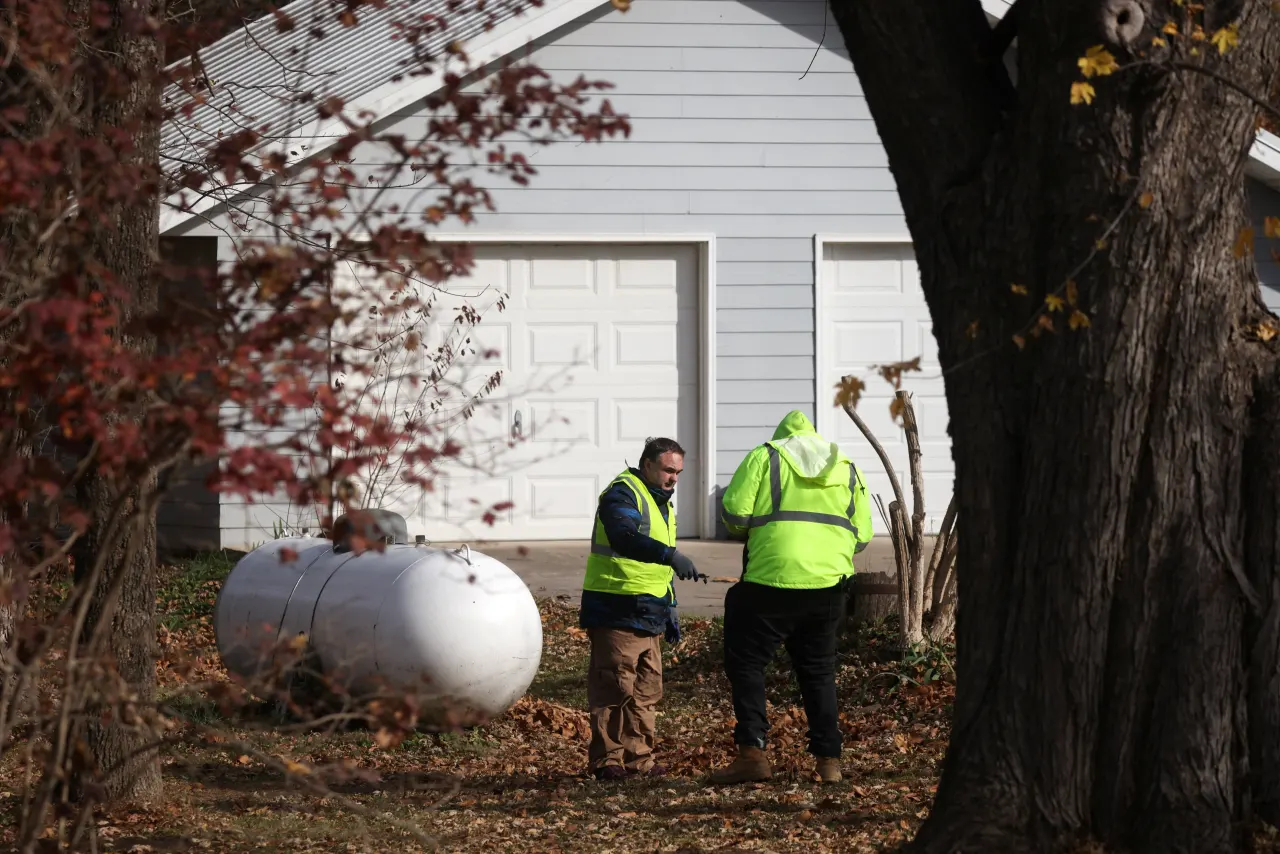
Initial US Environmental Protection Agency results indicate that the Army’s controlled detonation of five tons of lead azide in southeastern Iowa did not raise lead levels in local water sources used for drinking. The finding offers early reassurance about contamination, though testing is continuing and residents’ concerns also centre on how the operation was communicated.
About 300 people collected samples at schools, homes and other sites, with more than 1,500 taken before the detonation and hundreds afterwards; the EPA says results from over 3,200 air, soil, dust and water samples are still being validated. It monitored airborne lead for 30 consecutive hours. The Army said the ageing stockpile was deteriorating and could explode without control, but residents and officials criticised the limited public notice.
In short
- Early tests found no rise in lead in local drinking-water sources.
- The EPA is still validating results from over 3,200 samples.
- Residents criticised the Army’s limited notice about the detonation.