Technology news and discussion on TalkFuse.
Military use of cloud services puts data centres at continued risk
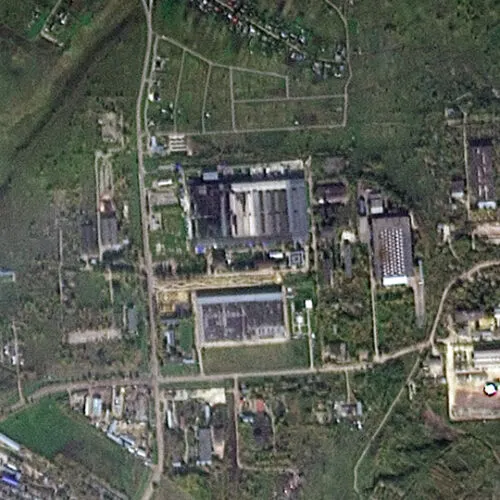
Data centres have become military targets because armed forces rely on cloud services for tasks such as battlefield management and resource planning, making some civilian infrastructure potentially relevant to military operations. A discussion with security researcher Joseph Jarnecki examined attacks during the Iran war and Russia’s invasion of Ukraine, warning that the trend is likely to continue and could disrupt services used across society.
Jarnecki said relatively inexpensive drones can cause economic damage far greater than their cost: he estimated the ratio between investment in Gulf data centres and the cost of Iranian Shahed drones used against them at at least 100 to one. He also pointed to Ukraine’s large-scale migration of services to the cloud at the start of Russia’s 2022 invasion as a way to protect digital infrastructure, while noting that data centres remain vulnerable to strikes and cascading disruption.
In short
- Cloud services’ military use can make data centres targets.
- Cheap drones can impose far greater economic costs.
- Ukraine moved services to the cloud to protect infrastructure.
Steelman: both sides, in good faith
The strongest fair case each way — we don't pick a winner.
The case for
When armed forces depend on cloud services for battlefield coordination and planning, data centres that support those services can become part of the conflict’s military infrastructure. A defender may argue that striking them can disrupt military operations and that recognising this risk is essential to protecting systems and planning resilient services.
The case against
Data centres are largely civilian infrastructure, often supporting services used throughout society, so treating them as military targets risks disrupting essential services and harming civilians. A critic may argue that cloud dependence does not make every facility a legitimate or proportionate target, and that governments and providers should prioritise dispersal, migration and other protections to limit the consequences of attack.
Explained simply
Cloud services let organisations store data and run software on computers housed in data centres, which may be operated by private companies. Armed forces use these services for functions such as planning and managing operations, so civilian facilities can also support military activity.
That can make data centres targets during conflict, even when they also host services used by businesses and the public. Drones can be relatively cheap compared with the infrastructure they damage, while an attack may disrupt many connected services.
Ukraine moved many services to cloud systems after Russia’s full-scale invasion began in 2022, helping protect them from attacks on local facilities. But cloud systems still depend on physical data centres, and disruption at one site can affect services elsewhere.
Read the full article at the source →
Originally published by Ars Technica as “Ars Live recap: Don’t expect military attacks on data centers to stop”.