ARTHUR HERMAN: Musk and others prove that this election cash is king. Will it be enough?
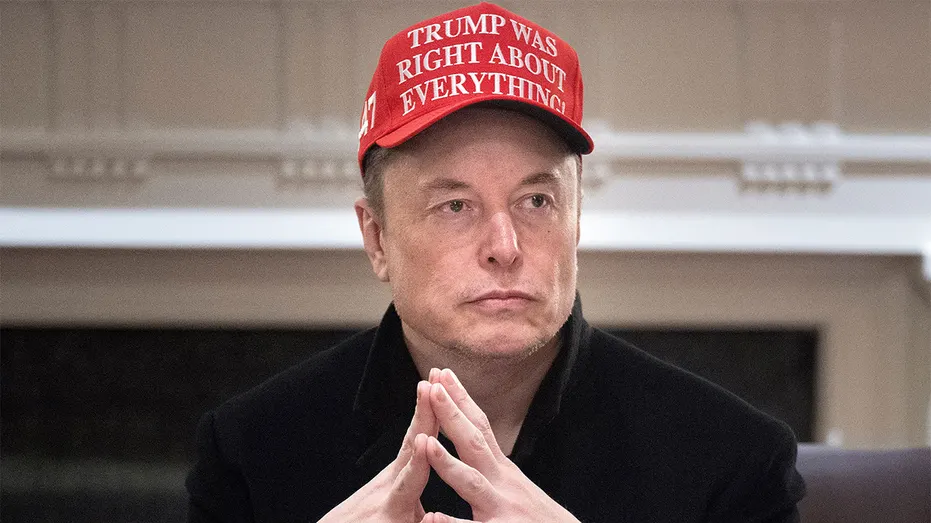
Elon Musk has donated more than $445 million to Republican candidates and causes in the 2026 midterms, making him the largest disclosed donor of the cycle and, the article says, the biggest single donor in any midterm cycle. The opinion piece presents his spending and that of other wealthy Republican supporters as an effort to preserve Republican control of Congress, which it argues is important to the country’s future.
The article cites $1.7 billion in contributions from Republican-leaning mega-donors, compared with $832 million from Democratic-leaning donors. It also names Ken Griffin, Steve and Christine Schwarzman, and Uline founders Elizabeth and Richard Uihlein among major Republican contributors. The author argues that these donors support priorities including tax cuts, energy production, military strength, reducing government fraud, AI development and manufacturing; the supplied article text ends mid-sentence.
In short
- Musk has given more than $445 million to Republicans in the 2026 midterms.
- Republican-leaning mega-donors have contributed $1.7 billion, the article says.
- The author argues their spending could help preserve Republican control of Congress.
Steelman: both sides, in good faith
The strongest fair case each way — we don't pick a winner.
The case for
Supporters can argue that large donations let people who believe the country faces consequential choices help candidates advance policies they consider essential, including tax cuts, energy production, military strength, tackling government fraud, AI development and manufacturing. They may see preserving Republican control of Congress as a legitimate way to pursue that agenda, and political spending as one form of protected participation in democratic debate.
The case against
Critics can argue that such vast donations give a small number of wealthy people disproportionate influence over elections and policy, weakening the voice of ordinary voters even when contributions are disclosed. They may also question whether the donors’ priorities serve the wider public, and contend that concentrating resources on preserving one party’s congressional control risks making political access depend more on wealth than broad support.
Explained simply
US midterm elections take place halfway through a president’s four-year term. Voters choose members of Congress, whose two chambers—the House of Representatives and the Senate—make laws and can affect whether the president’s party can advance its plans.
Campaigns raise money from individuals and organisations to pay for advertising, staff and other election activities. Wealthy donors such as Elon Musk, Ken Griffin, Steve and Christine Schwarzman, and Elizabeth and Richard Uihlein have given large sums to Republican candidates and causes; Democratic-leaning donors have also contributed. The scale and political direction of this spending matter because control of Congress can shape national policy and oversight.
Art Business Companies Culture Elections Politics Space Technology World