Culture news and discussion on TalkFuse.
As PlayStation prepares to go all-digital, one PC gamer is turning Steam physical with SSD cartridges
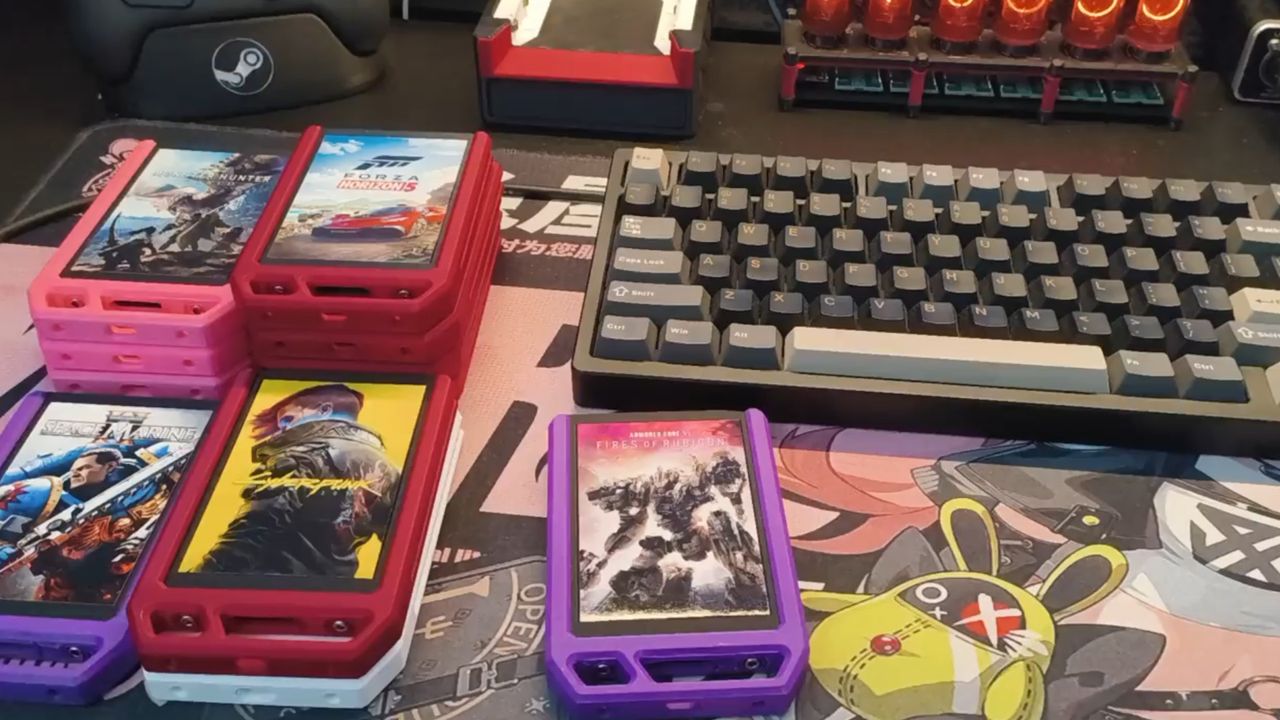
A PC gamer has created a homemade physical format for Steam games by putting installed titles on SSD cartridges, as console makers such as PlayStation move further towards digital-only distribution. The project reflects continuing concern among players about ownership, preservation and the lack of tangible media in an increasingly download-based games market.
The cartridges appear to function as portable SSDs containing Steam game installations, allowing games to be stored and moved in a more physical, collectable form while still relying on Steam’s software ecosystem. It is a personal experiment rather than an official product, but it highlights the contrast between digital convenience and players’ desire for physical game libraries.
In short
- A gamer has made SSD cartridges for Steam games.
- The project recreates a physical-game feel for PC gaming.
- It reflects concerns over digital ownership and preservation.
Steelman: both sides, in good faith
The strongest fair case each way — we don't pick a winner.
The case for
Physical game media can give players a tangible collection and a greater sense of control over access, while helping preserve games if stores or services change. Experiments such as SSD cartridges also show how players can seek some portability and ownership within a market increasingly organised around downloads.
The case against
Digital distribution makes games easier to buy, update and carry across devices, without the manufacturing, shipping and storage demands of physical releases. SSD cartridges remain a personal workaround that depends on Steam and its software, so they do not by themselves guarantee lasting access or the independence associated with owning a game outright.
Explained simply
The games industry is moving towards digital-only distribution, with major console makers like PlayStation phasing out physical copies. One enthusiast has responded by creating a homemade alternative: SSD cartridges that store Steam game installations, allowing games to be saved and moved in a tangible, collectable form rather than simply downloaded and stored on a hard drive.
Players have long expressed concerns about relying entirely on digital storefronts for their games libraries. When someone owns a physical copy, they can keep it indefinitely, share it, or resell it; with digital games, access depends on the platform remaining operational and the player retaining account access. The cartridge project reflects these concerns about ownership and the preservation of games as media.
The shift towards all-digital gaming is happening across the industry as servers become cheaper and physical distribution costs money. This raises questions about the future of game ownership and whether people will accept losing the tangible media they once had. The homemade cartridge serves as a counter-example to an increasingly streamlined digital distribution system.
Art Culture Entertainment Gaming