As ROBERT HARDMAN gets a sneak preview of the Bayeux Tapestry, he tells all about nudity, eels, robbing graves and why King Harold and William were once the best of buddies
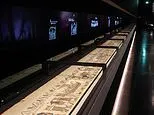
The Bayeux Tapestry has returned to Britain for the first time in nearly 1,000 years, going on display at the British Museum after a VIP preview attended by the King and Queen, French president Emmanuel Macron and Andy Burnham. The loan, secured through intensive diplomatic lobbying by Macron while the tapestry's usual home in Bayeux undergoes renovation, is being hailed as a triumph of Anglo-French cultural diplomacy, allowing visitors unprecedented close-up access to the 224ft embroidered chronicle of the 1066 Norman Conquest.
The 68.3-metre embroidery, actually stitched by seamstresses in Kent rather than woven in Bayeux, will remain at the British Museum for a year before returning to France. Visitors get 40 minutes to view it, compared with 25 minutes at its Bayeux home, aided by immersive sound effects, and the museum expects ticket sales to far outstrip Bayeux's usual annual footfall of 200,000 within just a few months.
- Bayeux Tapestry returns to Britain for first time in nearly 1,000 years
- King, Queen and Macron attended British Museum's VIP preview
- Loan lasts one year while Bayeux's museum is renovated
New here? Start with this
The Bayeux Tapestry is a long embroidered cloth made in the 11th century. It shows events leading up to the Norman Conquest of England in 1066, when Duke William of Normandy defeated King Harold at the Battle of Hastings and took the English throne.
The story includes William and Harold, who had once been allies, and shows their rival claims to the crown. Its scenes also offer clues about medieval life, warfare and beliefs, though the embroidery is not a neutral or complete record of events. The work is associated with Bayeux in France, but historians believe it was stitched in England.
The tapestry matters because it is one of the most important surviving visual records of the conquest, a turning point in English history. Its loan to the British Museum gives visitors a rare chance to see the full work in Britain before it returns to France.