Science news and discussion on TalkFuse.
As science increasingly shows the role chemical substances play in ‘lifestyle diseases,’ Europe weakens its regulations
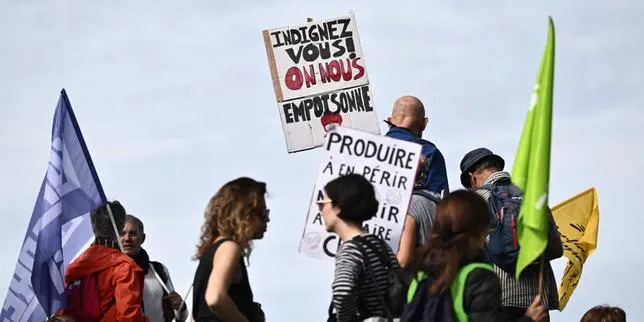
A new WHO and UN Environment Programme assessment links exposure to endocrine-disrupting chemicals with a range of diseases, challenging accounts that place the main responsibility on individual lifestyle choices. Stéphane Foucart argues that the findings make the EU’s weakening of chemical and pesticide regulations especially concerning.
For seven well-studied substances or groups, the estimated annual health and economic burden across the US, Europe and Canada is about €1 trillion. Using European exposure data from 2010, the report attributes hundreds of thousands of cases of conditions including endometriosis, diabetes and male infertility to chemicals such as DEHP and phthalates; it also estimates prenatal organophosphate exposure was linked to more than 59,300 cases of intellectual disability a year in the EU. The author stresses that data cover only a small share of chemicals and that health effects can take decades to establish.
In short
- WHO and UNEP link endocrine disruptors to substantial health harms.
- Seven well-studied chemicals carry an estimated €1 trillion annual burden.
- The column criticises the EU for weakening rules as evidence grows.
Steelman: both sides, in good faith
The strongest fair case each way — we don't pick a winner.
The case for
The assessment suggests that chemical exposure may contribute substantially to diseases often framed mainly as consequences of personal choices, while the estimates cover only a small fraction of chemicals and may miss long-term effects. Supporters of strong EU rules argue that this uncertainty strengthens the case for precaution: reducing exposure could prevent serious harm and health costs, especially when individuals cannot readily control the chemicals around them.
The case against
The estimates rely on European exposure data from 2010 and attribute cases to chemicals through population-level analysis, so they do not by themselves establish the cause of each illness or show what current rules would prevent. Those urging caution about tightening regulation can argue that policy should weigh the strength of evidence for each substance, the costs and practical effects of restrictions, and whether targeted controls can protect health without sweeping changes.
Explained simply
Endocrine-disrupting chemicals can interfere with the body’s hormone system, which helps regulate growth, reproduction and metabolism. Some are used in plastics and pesticides, and people may be exposed through food, household products or the environment.
The World Health Organization and the UN Environment Programme have assessed links between several well-studied chemicals and conditions including endometriosis, diabetes and infertility. Their estimates draw on European exposure data from 2010 and cover only a small number of substances; effects may take years to become clear.
The findings are relevant to debates about how much disease is shaped by environmental exposures as well as personal behaviour. In the EU, chemical and pesticide rules set limits on which substances can be used and how people may be exposed.
Environment Europe Health Medicine Science World