Science news and discussion on TalkFuse.
As seas rise, Singapore is reshaping its coastline to protect its future
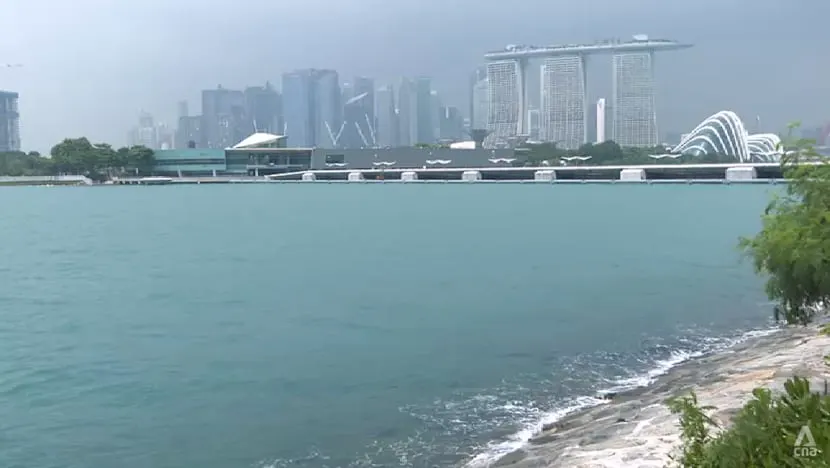
Singapore is redesigning parts of its coastline to reduce the risk of flooding as sea levels rise. The plans build on the country’s longstanding use of land reclamation and large engineering projects, with homes, ports, the financial district and other infrastructure potentially exposed.
Sea levels around Singapore could rise by up to 1.15m by 2100, while high tides and storm surges could bring water levels to 5m above today’s average; about a third of the country lies less than 5m above mean sea level. Existing measures include Marina Barrage, which provides water storage and flood control, and a 10km dike around the 800ha Pulau Tekong polder, built with nearly 50 per cent less sand than conventional reclamation. A proposed Long Island off East Coast Park could add land, a freshwater reservoir and up to 20km of waterfront parks.
In short
- Singapore is reshaping its coastline to manage future flood risks.
- Sea levels could rise by 1.15m by 2100.
- Long Island could combine land, water storage and parks.
Steelman: both sides, in good faith
The strongest fair case each way — we don't pick a winner.
The case for
Singapore’s low-lying homes, ports and financial district face serious flood risks, so reshaping the coast could protect people and essential infrastructure while helping the country adapt to rising seas. Projects such as Long Island may also create a freshwater reservoir and public parks, and the Pulau Tekong polder shows that new approaches can use less sand than conventional reclamation.
The case against
Large coastal engineering projects could lock Singapore into costly, long-term infrastructure whose effectiveness may be uncertain as sea levels and storm surges change. Reclamation and dikes can also alter coastal habitats and waterways, while the land and development they enable may bring further environmental costs; investing in adaptation that leaves more room for natural coastal processes could be preferable.
Climate Entertainment Science TV World