As Ukraine hits Russia’s refineries, Russia targets Ukraine’s petrol pumps
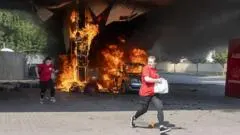
Russia has intensified attacks on Ukrainian petrol stations since April, with a Ukrainian energy think tank recording at least 246 strikes on filling stations to date, part of an apparent strategy to deprive civilians of fuel as Ukraine continues to hit Russian oil refineries. The campaign, concentrated near the front line but growing more frequent and destructive, has killed and injured civilians, forced authorities to issue safety guidance, and left entire towns and stretches of key roads without functioning fuel supplies.
Strikes verified by the Centre for Information Resilience nearly doubled from 66 in June to 114 in July, and Russia has shifted from smaller drones to costlier, more destructive Iranian-made Shahed drones, some costing up to $50,000 each. Recent attacks include two petrol stations hit in Kharkiv on Monday, wounding two people, and a strike near Kryvyi Rih last week that killed three. Police now advise drivers to abandon vehicles and leave stations during air raid alerts, while some towns, such as Trostyanets, have lost all petrol stations and now rely on mobile fuel tankers that relocate to avoid being targeted.
In short
- Russia has struck over 246 Ukrainian petrol stations since April, per a think tank.
- July strikes nearly doubled versus June, using costlier Shahed drones.
- Some areas have lost all fuel stations, forcing tanker-based fuel distribution.
Steelman: both sides, in good faith
The strongest fair case each way — we don't pick a winner.
The case for
Russia might contend that fuel infrastructure constitutes a legitimate military target, as petrol stations support the civilian and military movement sustaining Ukraine's war effort—much as Ukraine's strikes on Russian refineries target Russian logistics. In military doctrine, targeting an adversary's fuel supply is standard practice, and whilst civilian impact is regrettable, it remains incidental to striking infrastructure enabling the broader conflict. The escalation mirrors Ukraine's campaign against Russian refineries, representing proportional retaliation.
The case against
Ukraine argues that petrol stations primarily serve civilians—enabling doctors to reach hospitals, people to flee, and essential workers to function—and thus constitute primarily civilian infrastructure. The intensifying pattern of strikes, including switching to costlier drones and eliminating all functioning stations from entire towns, suggests deliberate civilian targeting rather than precision military strikes. International humanitarian law requires distinction between military and civilian infrastructure; deliberately depriving civilians of fuel violates these principles, irrespective of any incidental military supply functions.
Explained simply
Russia launched its full-scale invasion of Ukraine in 2022, and the war has since included attacks on infrastructure far from the front line. Petrol stations supply fuel for private cars, public services and businesses, so damage to them can affect daily life as well as travel.
Ukraine has also attacked oil refineries in Russia, facilities that process crude oil into fuels such as petrol and diesel. The two countries’ energy infrastructure has therefore become part of the conflict, with civilians exposed to risks from strikes and disruption to fuel supplies.