As US measles cases rise, biotech firms start developing new treatments
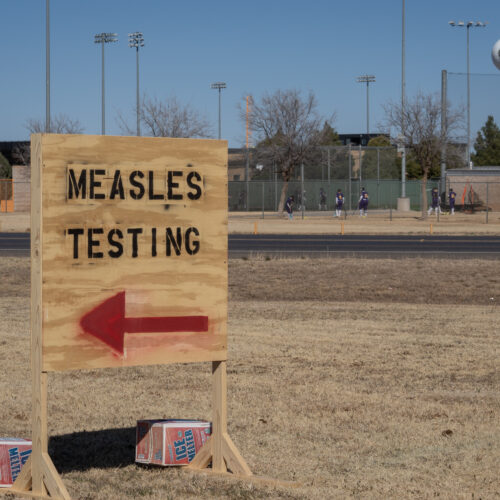
Measles cases in the US have hit a 35-year high as vaccination rates decline, prompting a handful of biotech firms and academic researchers to begin developing treatments for a disease that was previously considered largely conquered through vaccination. There is currently no measles-specific treatment, so doctors can only offer supportive care such as preventing dehydration, managing breathing problems and giving steroids or vitamin A, none of which target the virus itself. Any new therapies are likely years away from availability, and it remains unclear whether vaccine-hesitant individuals would be willing to use them even once developed.
The US had already surpassed last year's total of 2,289 measles cases by July, driven by large outbreaks in South Carolina and Utah, compared with just 285 cases in the whole of 2024; at least 95% vaccination coverage is needed to protect the community, but rates have fallen below this threshold in many areas, leaving young children particularly vulnerable to complications including pneumonia, deafness and brain damage. Connecticut-based Invivyd is developing a monoclonal antibody therapy, similar to those used for COVID-19, that could offer short-term protection to at-risk individuals during an outbreak, while researchers at the La Jolla Institute for Immunology have identified antibodies that reduced viral load 500-fold in rodent trials. Significant hurdles remain, including the cost of clinical trials and scaling up manufacturing, and infectious disease drugs are often unattractive to pharmaceutical companies due to their sporadic demand.
- US measles cases hit a 35-year high amid falling vaccination rates
- No specific treatment exists; care is currently only supportive
- Biotech firms are developing antibody therapies, still years from use
Americas Art Celebrity Culture Entertainment Health Medicine World