World news and discussion on TalkFuse.
Asia-Pacific airlines brace for prolonged fuel pain as hedging cover thins
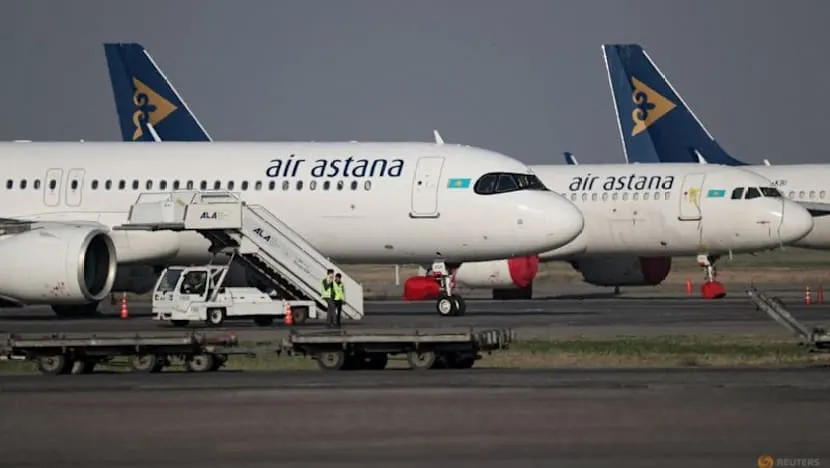
Asia-Pacific airlines face sustained pressure from high jet fuel prices as earlier hedging contracts expire, forcing carriers to weigh new protection at much higher rates. Fuel has become a larger share of operating costs, squeezing profits and raising the prospect of higher fares or reduced capacity if passengers resist further price rises.
Jet fuel is trading at about US$148 a barrel, down from nearly US$180 at October’s end but well above roughly US$85 before the Iran war began in late February. The regional airlines’ association says fuel accounts for about 33 per cent of operating costs; Singapore Airlines’ fuel bill rose 56 per cent to S$3.97 billion in the six months to September, while hedging gains reduced its effective price to US$145 a barrel. Air Astana sees prices staying high, while Japan Airlines expects them to fluctuate; ANA expects a 100 billion yen (US$626 million) increase in fuel costs this fiscal year.
In short
- Expiring hedges leave airlines exposed to costly fuel.
- Fuel is about 33 per cent of operating costs.
- Carriers differ on whether prices will stay high or ease.
Steelman: both sides, in good faith
The strongest fair case each way — we don't pick a winner.
The case for
Airlines can argue that sustained fuel costs leave them little choice but to raise fares or cut capacity, especially as older hedges expire and replacement protection is much more expensive. Passing some costs on may preserve financial stability and reliable services, while reducing unviable routes can help avoid broader losses that threaten the business.
The case against
Passengers and other critics can argue that higher fares or fewer flights shift a volatile cost burden onto travellers, including those with limited alternatives, and can weaken regional access. Airlines should first absorb or manage more of the shock where possible, and explain clearly how fuel prices, hedging and other costs translate into fare increases.
Explained simply
Jet fuel is one of the biggest costs for airlines, alongside staff, aircraft and airport charges. Its price can move sharply, affecting how much airlines spend on each flight and how much profit they make.
Some airlines use hedging contracts to lock in fuel prices for a period, which can soften the effect of a sudden rise. When those contracts expire, they may need to buy new cover at current prices, or leave more of their fuel costs exposed to market changes.
Higher costs can lead airlines to raise fares, cut flights or absorb lower profits. The effect matters to passengers and businesses that rely on air travel, as well as to airlines deciding how much capacity to offer.