Entertainment news and discussion on TalkFuse.
Assassin’s Creed Black Flag Resynced required devs to “rebuild” the 2013 game because Ubisoft couldn’t “use the code from the original”
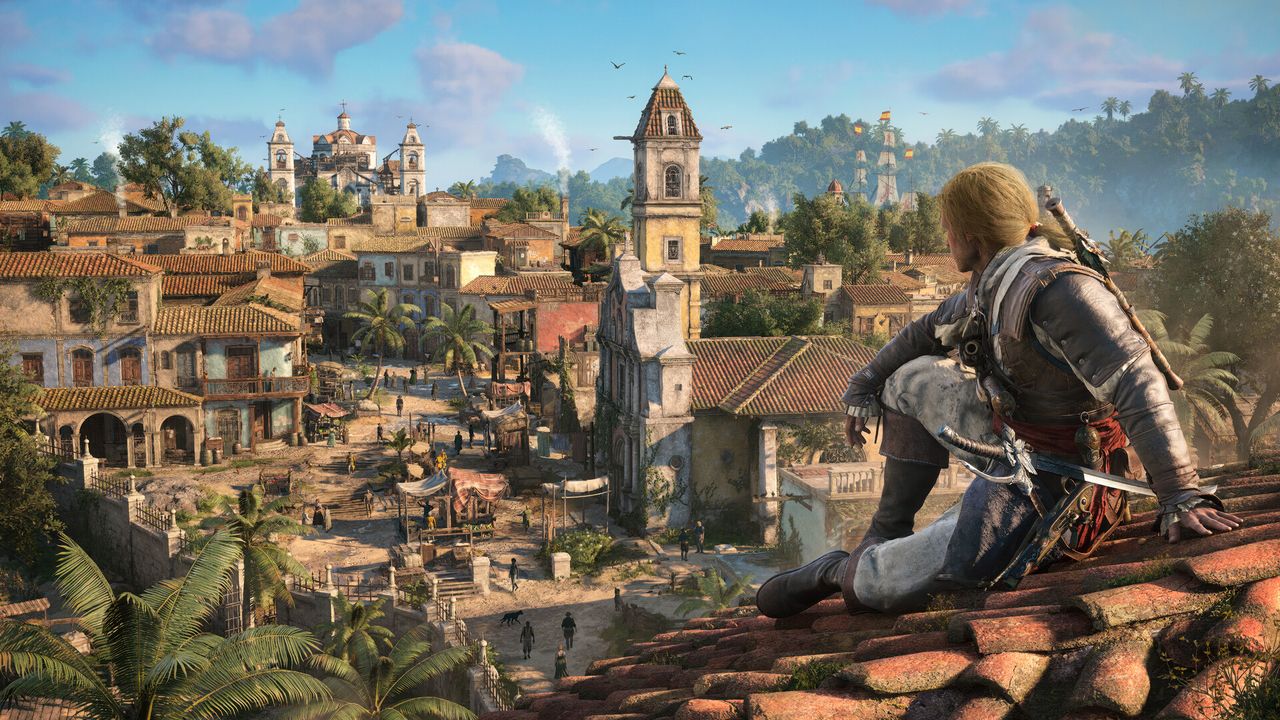
Ubisoft's remaster of Assassin's Creed IV: Black Flag, known as Black Flag Resynced, could not simply reuse the codebase of the original 2013 release, meaning developers effectively had to rebuild large parts of the game from scratch. The disclosure, made by developers speaking to GamesRadar+, highlights the scale of technical work involved in bringing a decade-old open-world title up to modern standards, rather than the more straightforward remastering process fans might expect.
Black Flag, the pirate-themed instalment in the Assassin's Creed series, remains one of the franchise's most fondly remembered entries thanks to its naval combat and open-world sailing. According to the developers, the inability to carry over the original code meant significant portions of the game had to be reconstructed for the new version, underlining how outdated or incompatible the source material had become for current hardware and tools. Further specifics on the reasons behind this, along with release details for Resynced, were not fully available from the article.
In short
- Black Flag Resynced needed a rebuild, not a simple remaster
- Devs said Ubisoft couldn't reuse the 2013 game's original code
- Highlights the technical challenge of updating older AC titles
Steelman: both sides, in good faith
The strongest fair case each way — we don't pick a winner.
The case for
Those defending Ubisoft's approach would emphasise that rebuilding legacy code is standard industry practice when modernising games. Thirteen-year-old code written for PS3/Xbox 360 architecture cannot be directly ported to current systems without fundamental incompatibilities with modern engines and tools. Rebuilding ensures proper optimisation and stability rather than maintaining outdated code that would perform poorly, reflecting sound technical practice.
The case against
Critics argue this situation reflects either inadequate original engineering practices or poor asset management over thirteen years. Well-architected code with proper modularisation should facilitate greater reuse across generations. The extensive rebuilding required raises questions about whether Ubisoft's historical development practices met industry standards and whether consumers should accept premium remaster pricing for work that essentially recreates the game.
Explained simply
Assassin's Creed IV: Black Flag was released in 2013 and became one of Ubisoft's most popular games in its long-running Assassin's Creed franchise. Players loved it for its pirate-themed setting and emphasis on naval combat and sailing across an open-world map.
When game companies remaster old titles, they typically update the graphics and performance to work on modern consoles and computers whilst keeping the underlying code mostly intact. With Black Flag Resynced, however, Ubisoft discovered that the original code had become too outdated and incompatible to carry forward in this way.
This means the development team had to rebuild large parts of the game from the ground up rather than simply updating the existing version. The discovery underscores how technically challenging it can be to refresh very old games for modern systems and suggests the new version will require substantially more work than a typical remaster.