Culture news and discussion on TalkFuse.
Assassin’s Creed remake made a huge mistake cutting the best part of Black Flag
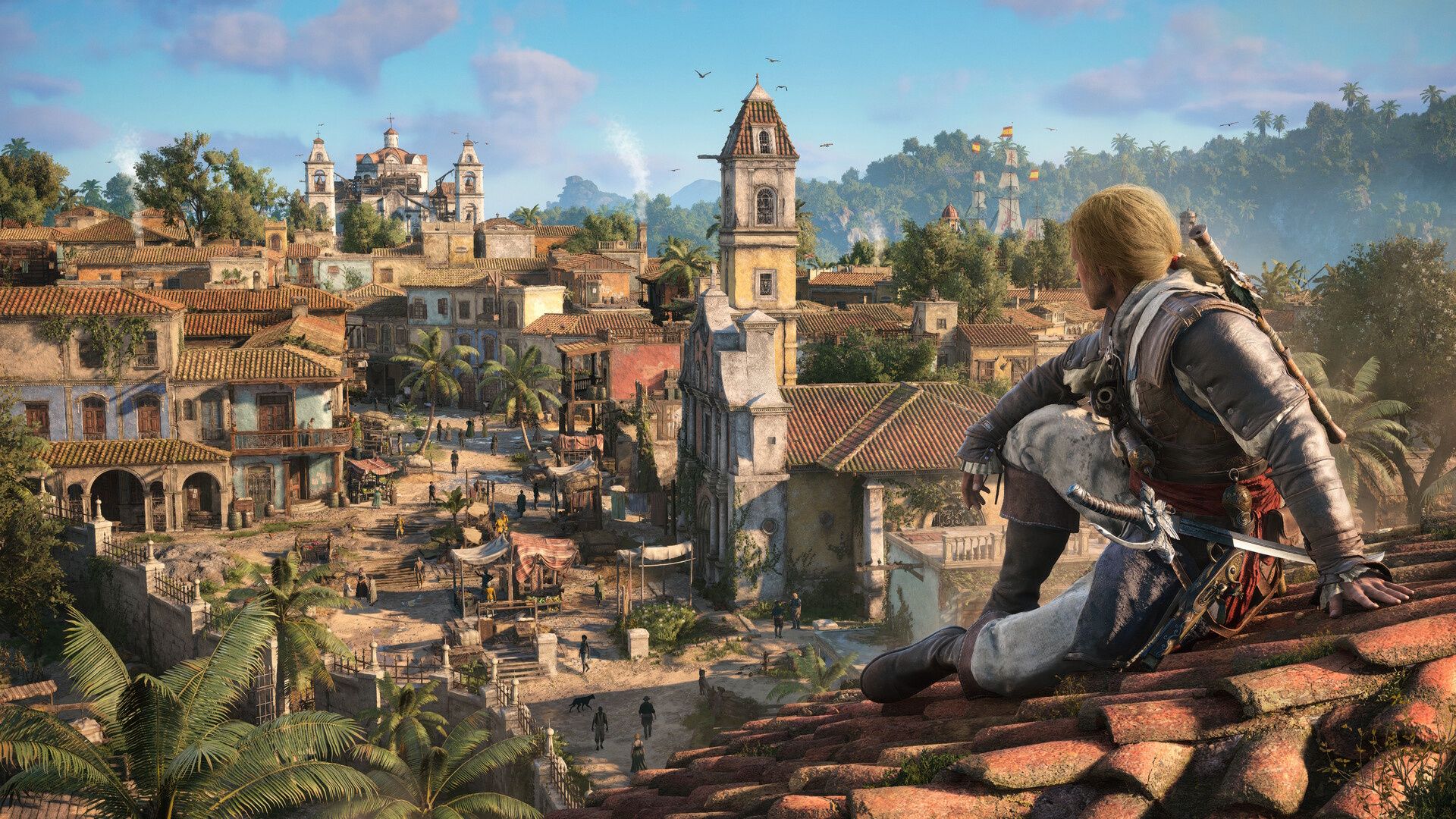
A Polygon writer argues that Ubisoft's new remake, Assassin's Creed Black Flag Resynced, undermines the 2013 original by removing its present-day storyline. While praising the remake's respectful gameplay touch-ups — from naval battles to island treasure hunting — the author contends that stripping out the modern-day sequences leaves the narrative feeling incomplete and less coherent. Having played Black Flag for the first time through Resynced, they were struck by a sense that a layer of the story was missing, a suspicion confirmed after watching the cut sequences.
In the original, players took on the role of an employee at Abstergo Entertainment, a subsidiary of the Templar-linked Abstergo megacorporation, which uses the series' Animus device to mine ancestral memories and turn them into blockbuster films. The author sees this framing as sharp satire: pirate Edward Kenway's 1715 adventure is repurposed as raw footage for a second-rate Pirates of the Caribbean knock-off, complete with clueless executives, a deliberately melodramatic trailer, and a chief creative officer wanting to make the hero a Bond-voiced "ladies man". Without this meta-layer, the writer argues, Resynced simply becomes the corporate crowd-pleaser the original was mocking — and suggests Ubisoft may have cut it because, 13 years on, the company now resembles the very megacorporation it once parodied.
In short
- Black Flag remake Resynced cuts the original's modern-day Abstergo storyline.
- The writer says this removes the game's sharpest satire.
- Ubisoft may have cut it as it now resembles Abstergo.
Steelman: both sides, in good faith
The strongest fair case each way — we don't pick a winner.
The case for
The original's present-day sequences, whilst thematically interesting, frequently interrupted player immersion in the central pirate narrative that most players genuinely cherished. A focused remake that concentrates on refining the 1715 adventure respects what audiences actually loved about Black Flag, and prioritising streamlined storytelling over meta-commentary can be a legitimate creative choice. The modern-day framing, set in 2013, feels dated and may distract a contemporary audience from the adventure itself.
The case against
Black Flag's true artistry lay in its dual narrative: Edward Kenway's thrilling but morally compromised story gained depth through Abstergo's meta-commentary, which offered sharp satirical critique of how corporate entertainment commodifies and simplifies genuine human narratives. Removing this layer strips the game of its intellectual sophistication, leaving only surface adventure, and transforms what was once a clever deconstruction of corporate culture into merely another corporate product. The irony cuts deeper given that Ubisoft itself now resembles the megacorporation it once mocked.
Explained simply
Assassin's Creed Black Flag was released by Ubisoft in 2013 as an action-adventure game where players took on the role of Edward Kenway, a pirate operating in the 1715 Caribbean. The gameplay centred on naval combat, exploration and treasure hunting.
The original game featured a present-day framing story: players were employees at a fictional company called Abstergo Entertainment that uses a device called the Animus to access ancestral memories. The company repurposes these historical memories as source material for modern-day films, meaning Edward Kenway's pirate adventure was presented as entertainment product being mined by corporate executives.
Ubisoft has released Black Flag Resynced, a remake that overhauls the gameplay but removes the present-day corporate framing story entirely. This means players experience only the pirate adventure itself, without the additional layer showing how that adventure is being used by fictional modern executives.
Art Culture Entertainment Gaming