Spain train collision kills 68 as questions mount over safety failures
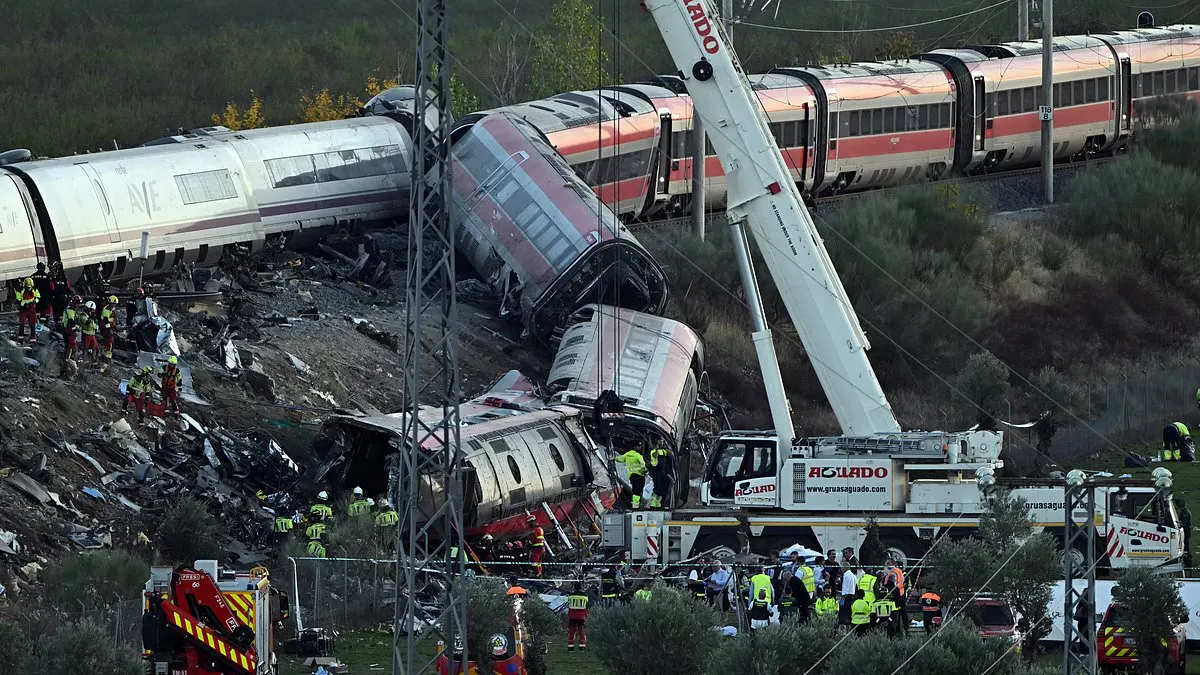
A collision between two high-speed trains near Toledo in Spain killed 68 people and injured more than 100, with authorities warning that the death toll could rise. The crash has raised urgent questions about rail safety and how a train was allowed to move while a safety system was not working.
Three carriages derailed after a train travelling from Madrid to Seville hit a stationary train shortly before 9am. Transport Minister Oscar Puente said a computer malfunction had stopped trains along a 63-kilometre stretch, but a control centre ordered a Renfe train to restart without speed restrictions; it struck the stationary Iryo train about 20 minutes later. Prime Minister Pedro Sánchez announced three days of mourning, while opposition leader Alberto Núñez Feijóo called for answers about the country’s infrastructure.
In short
- Spain train crash kills 68 and injures more than 100.
- A safety system failure preceded the collision.
- Authorities face questions over the restart order.
Explained simply
Spain’s high-speed rail network carries passengers between major cities, including Madrid and Seville. Renfe is Spain’s state-owned rail operator, while Iryo is a private train company; both run services on the network.
Rail services rely on signalling and control systems to keep trains safely separated and manage their speed. When part of that system is unavailable, the instructions given to trains and the rules for restarting services are central to understanding how a collision could happen.
The crash has focused attention on how Spain’s railways are operated and maintained, and how responsibility is shared between rail companies and public authorities. The answers matter to passengers and to decisions about safety oversight and investment in infrastructure.
Read the full article at the source →
Originally published by Daily Mail as “At least 68 dead and more than 100 hurt after high-speed train crash in Spain: Fears more bodies will be found as questions remain over ‘error’ that led to smash”.