At least 72 dead amid mass migrant rush to storm Spanish enclave of Ceuta sparking border crisis
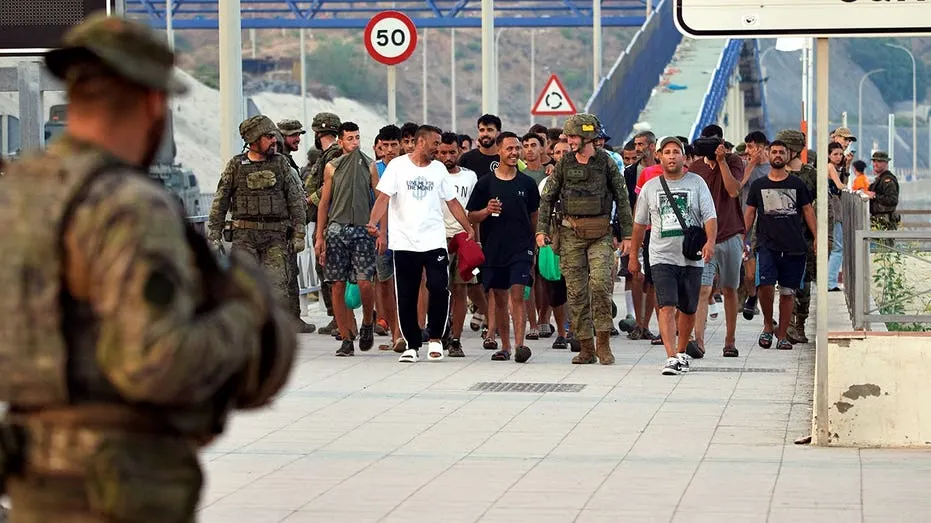
At least 72 migrants have died after an estimated 50,000 to 60,000 people, most of them young men, attempted to storm the Spanish enclave of Ceuta from Morocco, triggering a major humanitarian and diplomatic crisis. The incident has reignited debate over immigration policy across Europe, with Spain deploying its military to the North African territory and other European nations reacting with alarm to the scale of the surge.
Spanish authorities were continuing to search the waters off Ceuta over the weekend for further victims, with officials saying many of the dead drowned while attempting the crossing and others were killed in a crush as the crowd pushed forward. The crisis has had wider political repercussions, with Spain's prime minister branding the surge an "attack" on the country, Italy restoring border checks with Spain, and the White House criticising Madrid's handling of the situation after reportedly denying an emergency request. The US State Department has also raised its travel warning for the affected part of Spain.
In short
- At least 72 migrants died storming Ceuta from Morocco
- 50,000-60,000 people attempted the crossing, mostly young men
- Spain deployed troops; Italy restored border checks in response
Steelman: both sides, in good faith
The strongest fair case each way — we don't pick a winner.
The case for
Nations have the right to control their borders and determine immigration policy according to their economic and social circumstances. The scale of this attempt—reportedly 50,000 to 60,000 people—demonstrates organised pressure requiring firm responses to maintain orderly migration systems. Border security is foundational to sovereignty, and governments must be able to manage who enters their territory.
The case against
These deaths represent a humanitarian catastrophe requiring compassionate response, not military deployment. The people involved were migrants fleeing poverty and conflict, not an invading force, and characterising them as mounting an "attack" dehumanises human vulnerability. Europe should address root causes of migration whilst honouring international obligations to protect human life and treat people with dignity.
Explained simply
Ceuta is a Spanish city on the North African coast, bordered by Morocco and separated from mainland Spain by the Mediterranean Sea. Spain’s position there dates back centuries, and the city is part of the European Union, making its land border with Morocco one of the EU’s external borders.
People try to reach Ceuta to seek safety, work or a route into Europe, though their reasons and circumstances vary. Spain manages the border with Morocco, while the EU’s migration rules and neighbouring countries’ policies also shape how arrivals are handled.
Migration at Europe’s borders has prompted debate over asylum, border controls and responsibility for people seeking entry. Events at Ceuta can therefore affect relations between Spain, Morocco and other European countries, as well as the lives of migrants and local residents.