Culture news and discussion on TalkFuse.
At Sotheby’s, Risk-Taking Left a $180 Million van Gogh in the Lurch
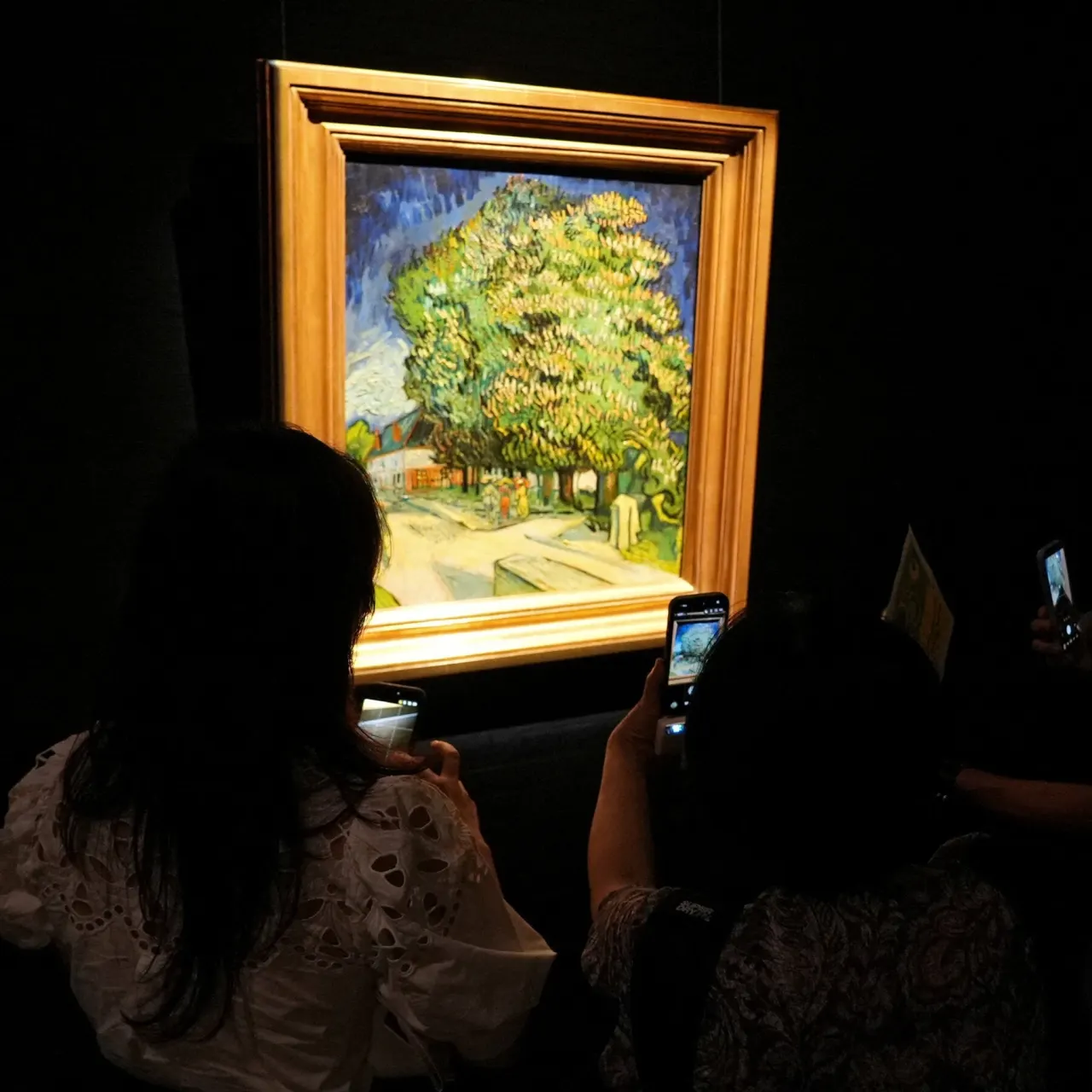
Sotheby’s faces a dispute over a Vincent van Gogh landscape valued at about $180 million, scheduled for auction on Wednesday. Jewish heirs of its former owner say it was sold under duress in 1936 amid Nazi-era persecution and have asked the auction house to withdraw it. The claim could deter buyers and raise questions about how Sotheby’s assessed the painting’s ownership history.
Sotheby’s and the heirs’ lawyers are expected to meet in Manhattan on Monday to discuss a possible settlement. Sotheby’s says it takes provenance and restitution matters seriously and has researched the painting’s ownership. The dispute comes after a Paris court ordered the auction house to reverse a sale of a Camille Pissarro painting to the heirs of a Jewish banker, while experts have raised concerns about Sotheby’s restitution expertise and changing laws that make claims easier to bring.
In short
- Heirs say the van Gogh was sold under duress in 1936.
- Sotheby’s and the heirs’ lawyers are due to meet on Monday.
- The dispute could unsettle buyers ahead of Wednesday’s auction.
Steelman: both sides, in good faith
The strongest fair case each way — we don't pick a winner.
The case for
The heirs can argue that a sale made under Nazi-era persecution was not meaningfully voluntary, even if it appeared valid on paper, and that restitution should address the coercion and loss their family suffered. With the auction imminent, withdrawing the painting would avoid transferring it to a new owner while the claim is unresolved and would show that provenance research carries practical weight.
The case against
Sotheby’s can argue that it has researched the painting’s ownership and that a disputed historical claim should be assessed through evidence and a fair process rather than treated as established. Keeping the auction scheduled may be defensible if the available record does not justify withdrawal; cancelling could prejudice the seller and prospective buyers before the parties have resolved the dispute.
Explained simply
Vincent van Gogh was a Dutch painter whose works are among the most valuable in the world. A painting’s provenance is the record of who owned it and how it changed hands; that history can be important when an artwork was sold during a period of persecution.
During the Nazi era, Jewish people in Europe faced state-sponsored discrimination, dispossession and violence. Families and governments have since sought the return of artworks they say were taken or sold under pressure, with claims often turning on historical records and the laws of the country involved.
Auction houses such as Sotheby’s arrange sales and research the ownership history of works they offer. Disputes over that research can affect whether buyers are willing to bid and how museums, collectors and courts handle claims to art with contested histories.