Health news and discussion on TalkFuse.
Aussie dad gave his life to the CFA as a volunteer firefighter – and it gave him cancer. Now his widow and kids have been hit by a savage compo blow just weeks after his death: ‘No entitlement – he’s worth nothing’
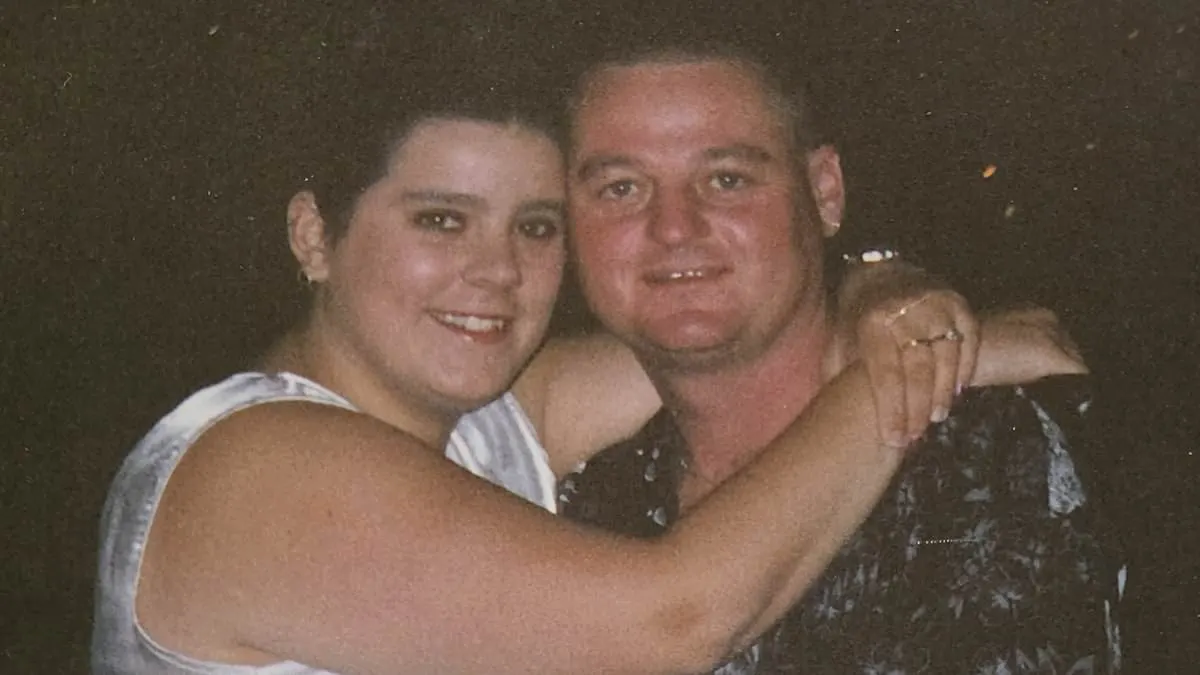
Victoria firefighter David Anthony Hooper died of colorectal cancer in May after nearly three decades as an unpaid Country Fire Authority volunteer. His widow, Sally, says WorkSafe Victoria rejected her death claim, leaving her family without the compensation she expected; the dispute raises questions about how support applies to the dependants of volunteer firefighters who die from service-related illness.
Hooper’s claim for cancer was accepted under Victoria’s presumptive rights scheme, which lists colorectal cancer among 15 cancers presumed to be caused by firefighting after 15 years’ service. A letter sent to Sally two months after his death said dependants of CFA volunteers were not entitled under the 2013 workplace compensation Act and should instead claim under regulations linked to the 1958 CFA Act, without explaining how to do so. Her lawyer argues the family should retain support after the claim was accepted, and Sally says at least ten other local families have faced similar difficulties.
In short
- Volunteer firefighter David Hooper died of cancer after nearly 30 years of service.
- His widow says WorkSafe rejected her death compensation claim.
- His lawyer says the family should retain support after his claim was accepted.
Steelman: both sides, in good faith
The strongest fair case each way — we don't pick a winner.
The case for
The family’s strongest case is that Hooper’s cancer was accepted under a scheme recognising a presumed link between long service as a firefighter and certain cancers, so his dependants should not lose meaningful support because he volunteered rather than held paid employment. Clear, consistent guidance and a workable route to compensation would respect the service of volunteers and prevent families facing avoidable hardship after a death.
The case against
The authority’s strongest case is that the compensation legislation may distinguish between paid employees and volunteer firefighters, with dependants’ benefits for volunteers governed by a separate scheme under the CFA Act. Applying those statutory boundaries consistently can protect the integrity of public compensation systems, even where a firefighter’s illness claim is accepted; the key question is whether the family has a valid route to support under the separate rules.