Aussie primary school sparks backlash after it scraps Christmas from student events and renames Secret Santa in inclusivity push
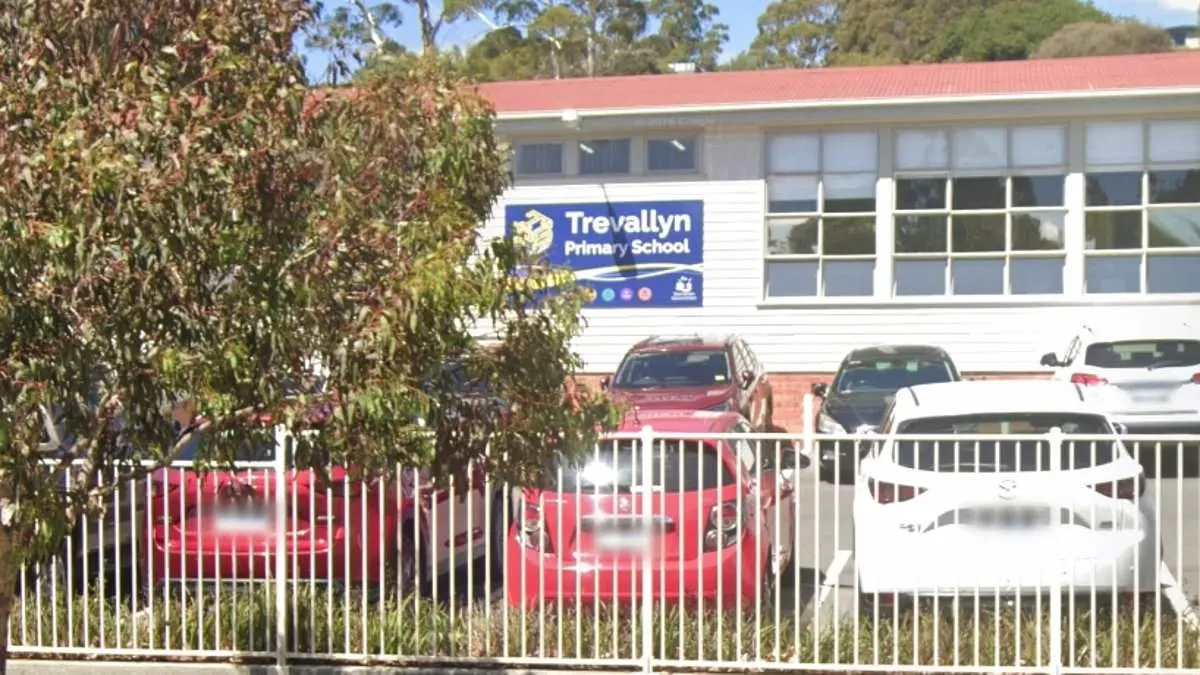
Trevallyn Primary School in Launceston has renamed some end-of-year events, prompting complaints from parents who say Christmas traditions are being dropped. The dispute has drawn in Tasmanian Premier Jeremy Rockliff, who has asked the Education Department to intervene, and has reignited debate over how schools recognise different cultural and religious backgrounds.
The school’s newsletter called its annual raffle “Holiday on the Hill” instead of “Christmas on the Hill”; parents also say Secret Santa has become “Holiday Gifting” and carols will give way to pop songs. Acting principal Jane Hudson said the aim was to help every child participate, while a parent argued inclusion should not mean setting aside local traditions. The Tasmania Principal Association’s president called Rockliff’s intervention an overreach, and the Australian Education Union said public criticism had exposed staff to scrutiny.
- A Tasmanian school renamed some Christmas events.
- The premier has asked the Education Department to intervene.
- School leaders say the changes aim to include all pupils.
New here? Start with this
Trevallyn Primary is a government school in Launceston, Tasmania, where schools serve pupils from different cultural and religious backgrounds. End-of-year activities can include Christmas traditions such as carols, gift exchanges and seasonal events.
Schools make decisions about how to mark the end of the year and how to make activities welcoming to all pupils. The debate involves parents, school staff, education authorities and elected officials, with different views about how to balance inclusion with familiar local traditions.
The issue matters because decisions at one school have prompted wider discussion about the role of religion and culture in public schools, and who should guide those decisions.
Both sides, in good faith
The strongest fair case each way — we don't pick a winner.
The case for
Schools serve children from varied cultural and religious backgrounds, so using broader names for events and choosing songs more pupils can join may help everyone feel welcome. Supporters could argue that adapting school activities need not deny anyone’s private celebration of Christmas; it can make shared events more accessible to the whole community.
The case against
Christmas traditions are part of many families’ lives and the local community’s heritage, so parents may reasonably feel that replacing familiar names and carols sidelines a valued tradition. They could argue that inclusion should make room for different practices rather than removing established ones, and that schools should decide how to balance these aims without political pressure on staff.