Aussie state locks in pill testing at festivals despite fierce opposition over ‘mixed signals’ on drug policy
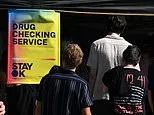
New South Wales will roll out pill testing at up to 15 music festivals from October, after the state government pledged AU$4.3 million to continue the service following a successful year-long trial. The move follows a March report finding the scheme reduced drug-related harm at festivals, and has been welcomed by harm-reduction advocates and by Jennie Ross-King, whose daughter died of an MDMA overdose in 2019. However, the Coalition opposition has vowed to scrap the policy if it wins the March state election, arguing it sends "mixed signals" about illicit drugs.
NSW Health will consult festival organisers and harm-reduction groups on which events take part, with police maintaining a visible presence, including sniffer dogs, at testing sites. Campaigners, including drug law reform group Unharm and Greens MP Cate Faehrmann, argue testing should extend beyond festivals into community settings, noting most MDMA-related deaths occur at private homes rather than events. NSW joins the ACT and Victoria in offering pill testing, while Queensland banned the practice altogether a year ago; NSW's Health Minister insists the government does not endorse drug use, while Opposition Leader Kellie Sloane accused Labor of effectively providing "quality control" for organised crime.
In short
- NSW to fund pill testing at up to 15 festivals from October
- Coalition vows to scrap scheme if elected in March
- Advocates want testing expanded to community settings, not just festivals
Steelman: both sides, in good faith
The strongest fair case each way — we don't pick a winner.
The case for
Supporters argue that young people will take drugs at festivals regardless of legality, so the priority must be keeping them alive rather than making a moral point; the year-long trial's own evidence showed reduced harm, and advocates like Jennie Ross-King speak from the hardest possible experience of what happens when warnings and support are absent. On this view, testing is a pragmatic, evidence-led public health measure, and expanding it toward community settings would only extend the same life-saving logic to where most MDMA deaths actually occur.
The case against
Opponents contend that a government-run testing service, however well-intentioned, functions as informal quality assurance for a criminal supply chain, undermining the clear legal and moral message that illicit drugs are dangerous and prohibited. They worry it signals tacit tolerance, could give festival-goers false confidence in a substance that is never truly 'safe', and diverts public money and police resources into normalising rather than deterring drug use, a concern serious enough that Queensland chose to ban the practice outright.
Explained simply
Pill testing lets festival-goers have illegal drugs like MDMA checked for content and strength before taking them, with the aim of warning people off particularly dangerous substances. New South Wales trialled the scheme for a year, and a report published in March found it reduced drug-related harm. The state government has now committed AU$4.3 million to keep it running at up to 15 festivals from October.
The service has divided opinion. Harm-reduction campaigners and some bereaved families, including Jennie Ross-King, whose daughter died after taking MDMA in 2019, support it as a way of saving lives. The opposition Coalition disagrees, arguing it sends "mixed signals" about illegal drugs, and has said it would scrap the policy if it wins the state election due in March.
The debate matters beyond New South Wales because it reflects a wider disagreement in Australia over how to handle illicit drug use at events. The ACT and Victoria already run similar schemes, while Queensland banned pill testing outright a year ago. Some campaigners argue testing should go further, into community settings, since most MDMA-related deaths happen at private homes rather than at festivals.
Entertainment Government Health Medicine Music Politics UK World