Adelaide woman regrets Turkish facelift after loose skin returns within a year
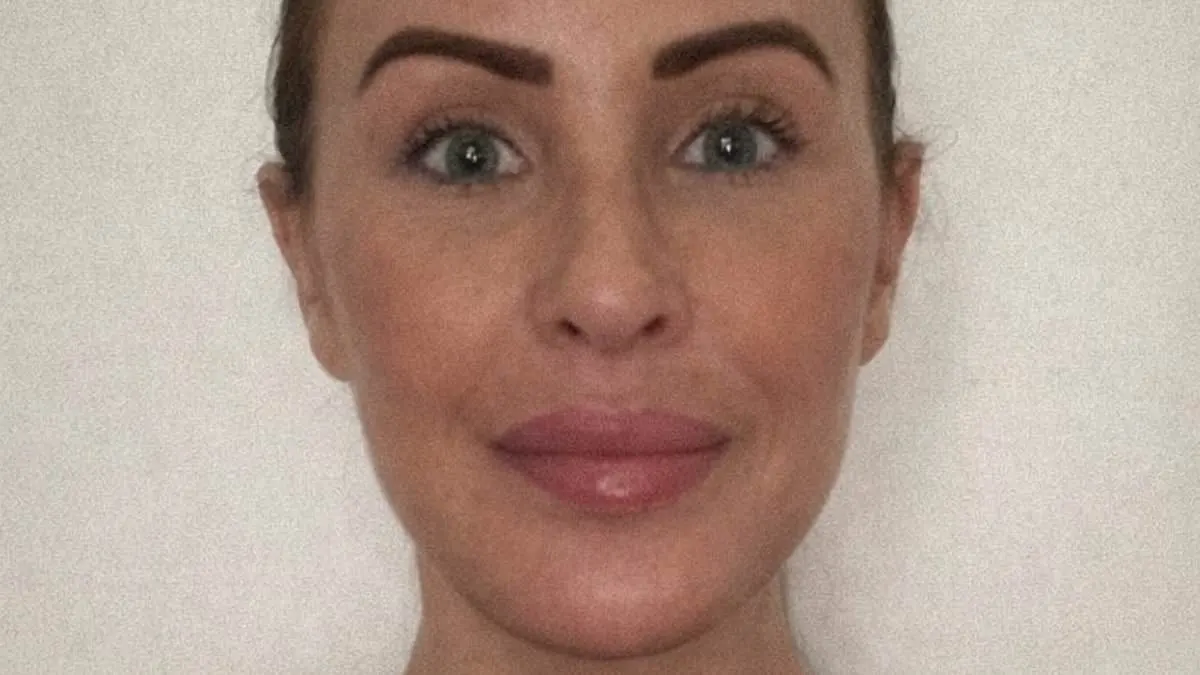
Jojo McGinniss, a 45-year-old Adelaide woman, says she is disappointed by loose skin around her neck and lower face less than a year after undergoing cosmetic surgery in Turkey. She had initially praised the results, but says her concerns grew as swelling subsided and that her surgeon stopped communicating with her directly, leaving her feeling let down.
The procedures, carried out in Istanbul in February, included a deep plane facelift, neck and temple lifts, and facial fat transfer, costing about $15,000 after five years of saving. McGinniss says returning to Turkey for follow-up would involve flights, accommodation, time off work and further costs. She has spoken publicly because some followers may have considered surgery after watching her share her experience.
In short
- Adelaide woman says loose skin appeared after Turkish facelift.
- Her procedures cost about $15,000.
- She says follow-up in Turkey would mean significant extra travel costs.
Explained simply
Facelifts tighten and reposition facial tissues to change the appearance of sagging skin; results and recovery vary between patients. A deep plane facelift works on deeper facial layers, while a neck lift and fat transfer address other areas, and swelling can take time to settle.
Jojo McGinniss is an Adelaide woman who travelled to Istanbul for several cosmetic procedures, spending about $15,000 after saving for five years. Patients who travel abroad for surgery may need to weigh the treatment cost against travel, recovery and the expense of returning for follow-up care.
Her account also raises questions about how patients and surgeons stay in contact after treatment, particularly when they live in different countries. She says she spoke publicly because people who followed her experience might have considered similar surgery.
Read the full article at the source →
Originally published by Daily Mail as “Aussie woman who went to Turkey for a cheap facelift shares her deep disappointment over the return of ‘loose’ skin less than a year later”.