Austin Abrams, Skyler Gisondo and the audition rivalry neither knew went both ways: “You were mythological”
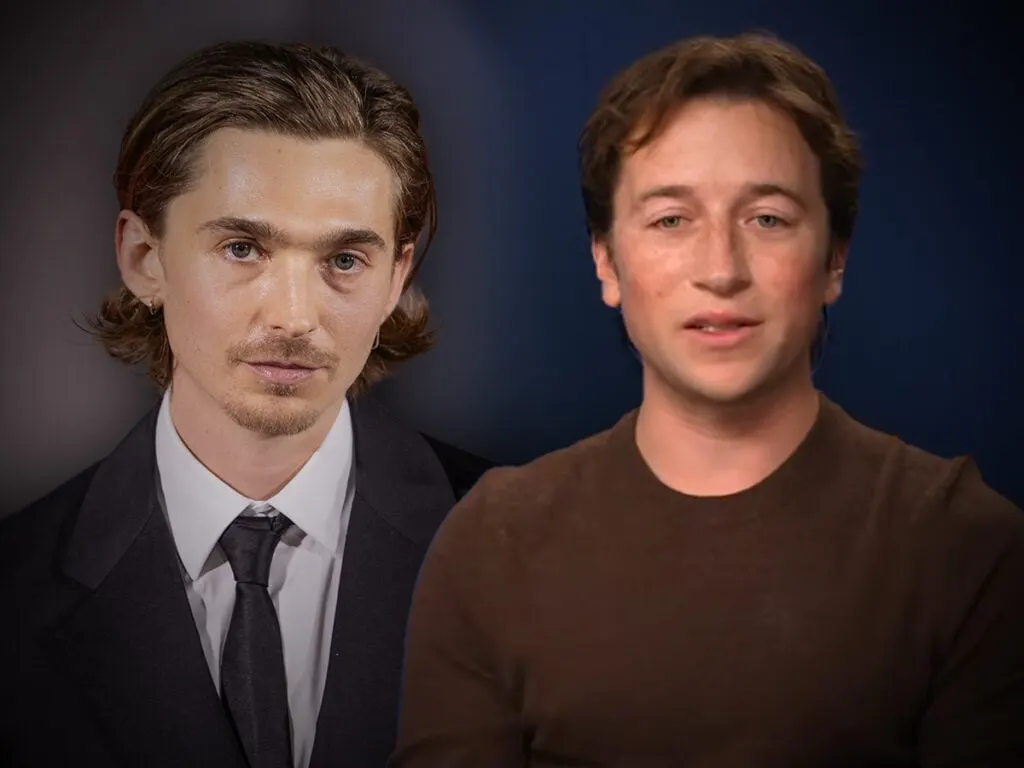
Actors Austin Abrams and Skyler Gisondo have described a mutual rivalry from years of auditioning for the same roles, although neither realised the other felt the same way. Their story offers a glimpse of the competition young actors face, where a familiar face in the waiting room can make a role seem harder to win.
Both are now 30 and began building their careers at different times: Gisondo had screen credits from childhood, while Abrams started auditioning as a teenager after theatre camps. Gisondo thought Abrams was almost untouchable, while Abrams recalls seeing Gisondo and assuming he had lost the part; Abrams also named Tye Sheridan as a rival he dreaded seeing at auditions. The article notes that Abrams later won over director Zach Cregger at an unconventional lunch meeting, leading to roles in Weapons and Cregger’s planned Resident Evil adaptation.
- Abrams and Gisondo competed for the same acting roles.
- Neither knew the other saw him as a rival.
- Tye Sheridan was another actor Abrams dreaded seeing at auditions.
New here? Start with this
Austin Abrams and Skyler Gisondo are American actors who spent years auditioning for the same roles whilst building their careers. Each secretly believed the other was their main rival, yet neither realised the feeling was mutual until recently when they discussed their respective experiences.
Gisondo, who began acting as a child, saw Abrams as an almost untouchable competitor whenever they auditioned for the same parts. Abrams, who started auditioning as a teenager after attending theatre camps, experienced the opposite: he assumed he had lost any role when he saw that Gisondo was also in contention. Abrams also named Tye Sheridan as a rival he dreaded seeing at auditions.
Their story offers a window into the competitive reality young actors face when trying to establish careers, where a limited number of roles means encountering the same rivals repeatedly in waiting rooms. The mutual but unspoken nature of the rivalry between these two performers illustrates how competition in the entertainment industry operates at an individual, personal level. Whilst such dynamics are common among actors trying to build careers, they remain largely unspoken and private.