Weird & Viral news and discussion on TalkFuse.
Australia’s Plan to Manage Neil the Unruly Seal Involves ‘Hazing’ and ‘Seal Enrichment’
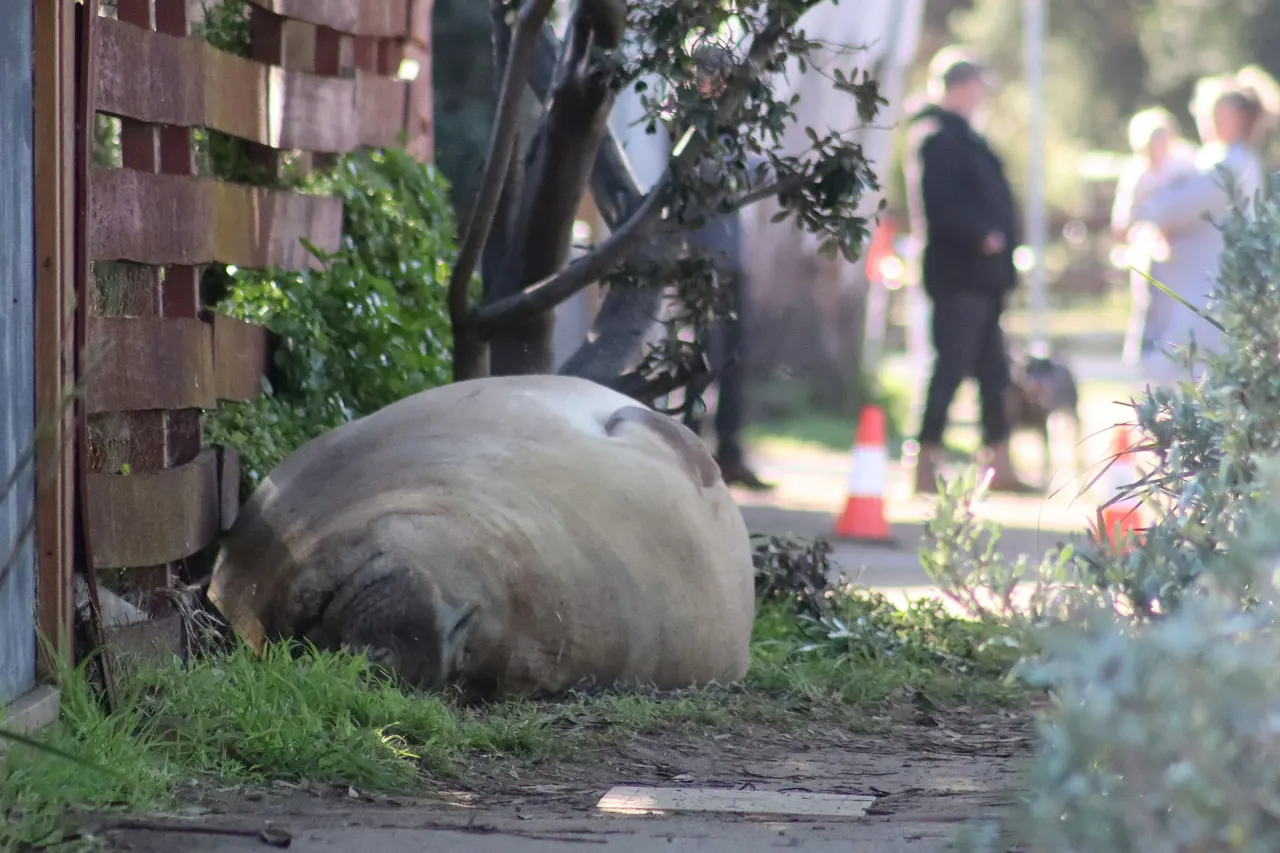
Tasmanian officials have published a management plan for Neil, an elephant seal whose repeated visits ashore have made him a local mascot but also damaged public infrastructure and created safety concerns. The plan aims to manage the risks to both Neil and the public while accounting for the interest his appearances attract.
Neil weighs more than 2,000 pounds and has damaged walkways, bollards, fences and vehicles. If he comes ashore somewhere secluded, officials plan to monitor him from a distance and warn people to stay away; at busier sites, they may use non-violent deterrents, known as “hazing”, and durable decoy objects to redirect his exploratory behaviour. Officials warn that road closures and other disruptions may still occur, and advise the public to contact Tasmania’s Marine Mammal Hotline.
In short
- Tasmania has published a plan to manage Neil the elephant seal.
- Officials may use deterrents and durable decoys to steer him from infrastructure.
- Safety measures and disruptions may still be needed when Neil comes ashore.
Steelman: both sides, in good faith
The strongest fair case each way — we don't pick a winner.
The case for
A proactive plan is justified because Neil’s size and past damage create genuine risks to people, property and the seal himself. Monitoring him, warning the public and using non-violent deterrents or enrichment to steer him away from busy areas could reduce harm while allowing officials to respond to his behaviour.
The case against
Even non-violent deterrents may cause Neil stress or disrupt his natural behaviour, so officials should use them cautiously and favour distance, public warnings and temporary closures where feasible. The plan may also be difficult to apply consistently when his appearances attract crowds, making clear guidance and close monitoring important to protect both people and the animal.
Explained simply
Elephant seals spend much of their lives at sea and come ashore to rest, moult and breed. Neil is a large male seal in Tasmania whose repeated visits to public places have drawn attention from residents and visitors.
Tasmanian wildlife officials are responsible for managing interactions between people and marine mammals. A seal of Neil’s size can damage property as it moves around, and close encounters may put both people and the animal at risk.
“ H azing” means using non-violent methods to discourage an animal from an area; “enrichment” means giving it objects that can encourage natural exploratory behaviour. These approaches reflect the challenge of protecting public safety while allowing Neil to behave like a wild animal.