Culture news and discussion on TalkFuse.
Author Dinesh D’Souza challenges Bible skeptics with ‘startling’ archaeological discoveries
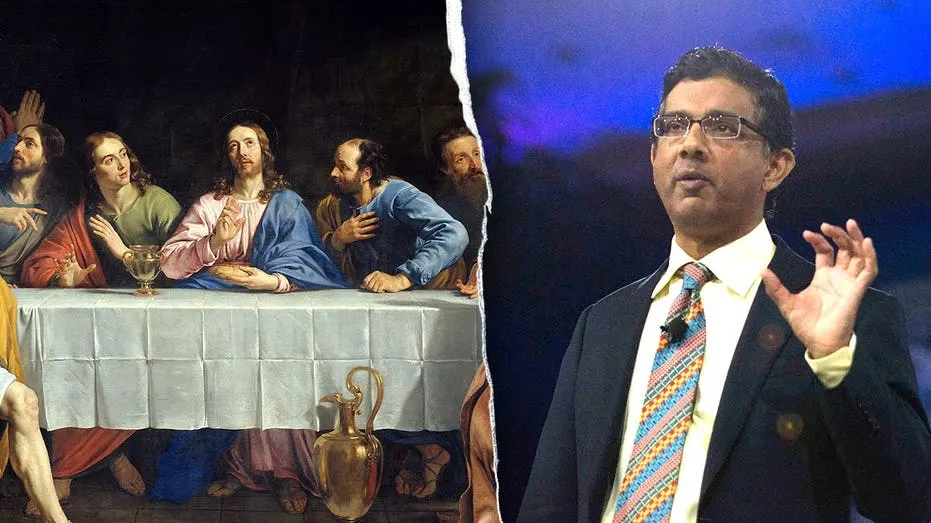
Bestselling author and filmmaker Dinesh D'Souza has released a new book, "The Stones Cry Out: Biblical Archaeology, Prophecy, and the Last Days," arguing that archaeological discoveries in Israel and beyond provide compelling evidence for people, places and events described in the Bible. The project, which he says was sparked by a trip to Israel, grew into a three-year investigation into biblical archaeology, a field he believes offers powerful rebuttals to sceptics who question the historical reliability of scripture.
D'Souza's book examines specific finds that he says corroborate biblical accounts, positioning the evidence as a direct challenge to those who doubt the Bible's historical accuracy. The article, published by Fox News, presents the book as part of a broader wave of interest in biblical archaeology, alongside other recent discoveries reported in the region, including ancient mosaics and relics linked to sites mentioned in scripture.
In short
- Dinesh D'Souza's new book links archaeology to biblical history
- Three-year research project followed a trip to Israel
- Book aims to counter Bible sceptics with physical evidence
Steelman: both sides, in good faith
The strongest fair case each way — we don't pick a winner.
The case for
Archaeological discoveries have genuinely corroborated numerous biblical details, including ancient cities, rulers, customs and geographical features mentioned in scripture. Proponents of biblical archaeology argue that when excavations uncover evidence aligning with scriptural accounts—such as artefacts linked to specific historical figures or architectural remains matching biblical descriptions—this demonstrates the Bible's historical grounding and reliability as a source document, building a cumulative case for its trustworthiness.
The case against
Whilst archaeology has illuminated the historical context of the biblical world, many findings remain subject to interpretation and scholarly debate. Sceptics argue that absence of contradictory evidence does not constitute positive confirmation, and that certain significant biblical claims remain archaeologically unsupported or contested among experts. They caution against selective presentation of evidence and stress that multiple interpretations of archaeological data exist, making sweeping claims about archaeological validation problematic.
Explained simply
Biblical archaeology studies material remains that may shed light on people, places and events described in the Bible. Finds such as buildings, inscriptions and objects can help researchers understand the ancient societies in which the biblical texts were written.
Dinesh D’Souza is an American author and filmmaker whose book examines discoveries he says support parts of the Bible’s historical accounts. The wider debate concerns what archaeology can establish: a find may provide evidence about a place or period, but its interpretation does not by itself settle questions of faith or prove every biblical account.
Art Celebrity Culture Entertainment World