Business news and discussion on TalkFuse.
EU border system errors put British travellers at risk of bans
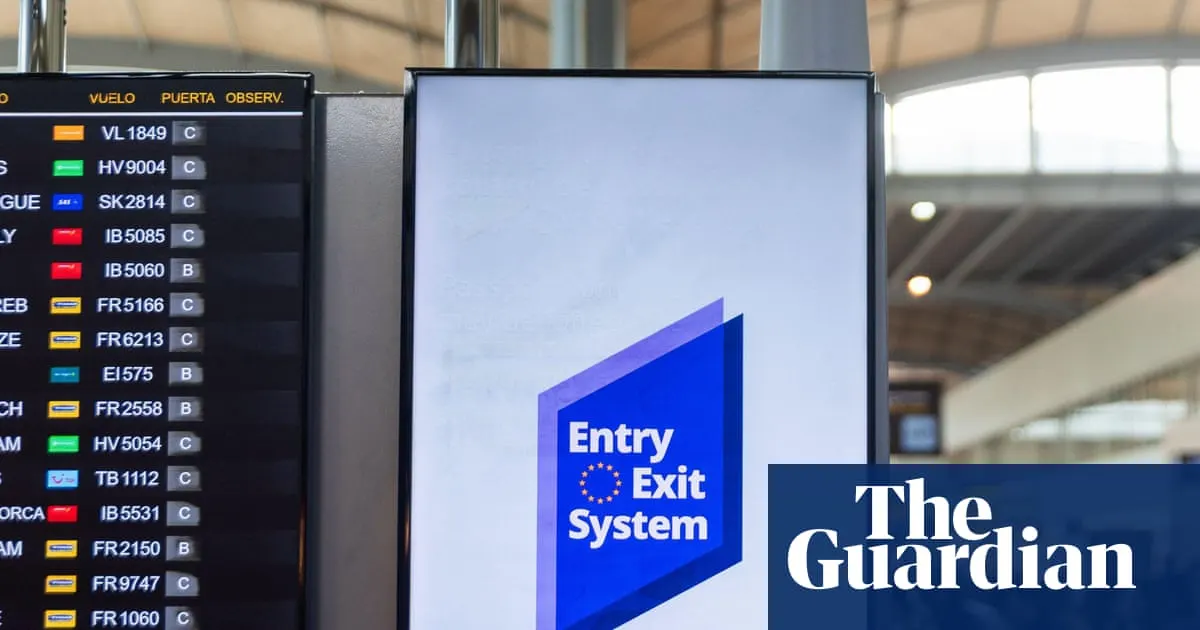
Jojo Moyes and other British travellers say errors in the EU’s digital entry and exit system have wrongly made them appear to have overstayed, putting them at risk of fines, detention or bans. The reports raise concerns about whether travellers can rely on the system to enforce the post-Brexit 90-day limit fairly.
Moyes says she spent 23 days in the EU over six months, but her departure from Portugal was not recorded; French border guards warned her she could face a €10,000 fine and a two-year ban if she returned before the record was corrected. Other travellers report being shown no days remaining despite shorter visits. The system replaced passport stamps with biometric records, and the EU is suing three firms over failures; some countries have suspended it and used manual checks.
In short
- Missing exit records can wrongly make Britons appear to have overstayed.
- Jojo Moyes says she faces a possible €10,000 fine and two-year ban.
- The EU is suing three firms over the system’s failures.
Steelman: both sides, in good faith
The strongest fair case each way — we don't pick a winner.
The case for
A shared digital system can help EU countries apply the 90-day limit consistently, reduce reliance on hard-to-read or missing passport stamps, and identify overstays more accurately. Supporters could argue that early technical problems are grounds to improve the system and provide clear correction and appeal procedures, rather than abandon a common approach to border management.
The case against
Travellers should not face fines, detention or bans because a departure was not recorded or a system miscounted their days. Critics could argue that replacing stamps with biometric records without reliable safeguards shifts the risk of administrative failure onto visitors, and that manual checks should remain available until errors can be corrected promptly and fairly.
Explained simply
Since Brexit, British visitors to the European Union have generally been limited to 90 days in any rolling 180-day period across the Schengen area, which includes most EU countries. The limit applies to tourism and other short visits, and border authorities use travel records to check how long someone has stayed.
The EU’s Entry/Exit System is designed to replace passport stamps with digital records of non-EU visitors’ entries and departures, including biometric data such as fingerprints or facial images. EU institutions, national border authorities and the companies involved in building and running the system all have roles in making those records work.
Accurate records matter because authorities use them to assess whether a traveller has kept within the permitted stay. If an entry or departure is missing or recorded incorrectly, a visitor’s apparent travel history may differ from their actual trips.
Business Culture Europe Travel UK World
Read the full article at the source →
Originally published by The Guardian as “Author Jojo Moyes among UK travellers at risk of EU ban amid digital border system glitches”.