Autism providers cheer Trump crackdown after millions allegedly stolen from children through Medicaid fraud
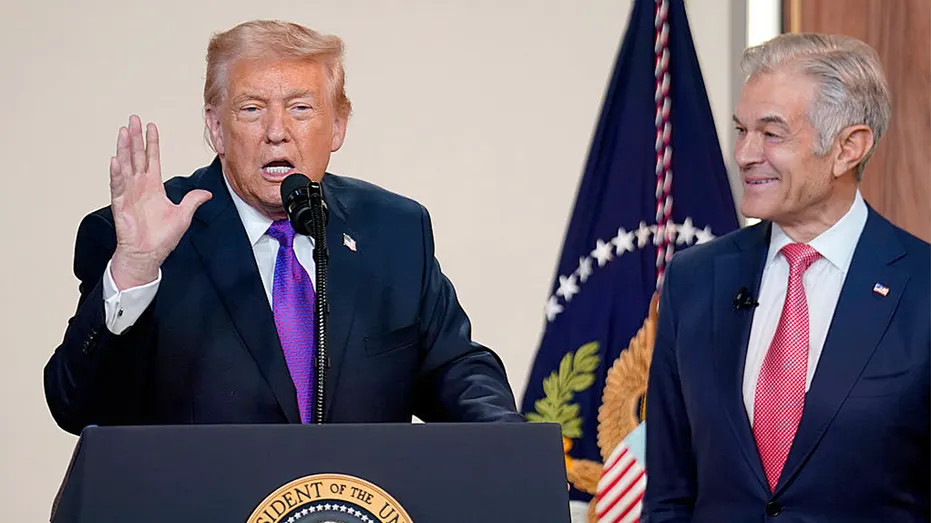
American autism care providers and advocates have voiced support for the Trump administration's crackdown on Medicaid fraud, saying the alleged theft of millions of federal dollars has harmed both taxpayers and children with autism who depend on the programme. The Autism Families Alliance, a coalition of clinicians, behavioural therapists and families of autistic children, says it backs efforts to prosecute those responsible for exploiting the system, while urging policymakers to avoid creating new barriers that could disrupt legitimate care.
The group argues that funds allegedly stolen by fraudsters should instead have gone towards helping autistic children communicate, gain independence and access essential care. States including Georgia, North Carolina and Indiana have already introduced tighter oversight of autism services, and the coalition's stance echoes recent comments from Dr Mehmet Oz, administrator of the Centers for Medicare & Medicaid Services, who has announced a nationwide anti-fraud initiative targeting billions of dollars in suspected Medicaid and Medicare losses. Advocates and parents, including Rocio Berni from Charlotte, North Carolina, stressed that Applied Behavior Analysis therapy access is a "lifeline" for families, not a political issue.
- Autism advocates back Trump's Medicaid fraud crackdown amid alleged theft
- Group warns anti-fraud measures shouldn't block legitimate care access
- States like Georgia, NC and Indiana tightening autism service oversight
Both sides, in good faith
The strongest fair case each way — we don't pick a winner.
The case for
Millions of federal dollars intended for autistic children have been allegedly stolen through systematic fraud, and federal and state enforcement efforts are essential to recover these funds and hold perpetrators accountable. Providers and families who genuinely serve vulnerable children rightfully support robust oversight that eliminates fraudsters, as fraud simultaneously steals from patients and undermines the integrity of the entire system. Legitimate providers have nothing to fear from strengthened monitoring, and enforcement protects both taxpayers and the children these services are meant to help.
The case against
Whilst prosecuting actual fraud is necessary, aggressive enforcement campaigns and substantially expanded regulatory requirements risk disrupting access to legitimate autism services when vulnerable children need continuity most. Increased compliance burdens and heightened scrutiny could discourage providers, especially smaller or rural practitioners, from serving these populations, and may inadvertently raise costs for families already struggling to afford essential care. The priority should be ensuring every autistic child receives needed treatment, with enforcement calibrated carefully to avoid unintended harm to access.