‘Avatar: Fire and Ash’ Composer and More Speak Out About AI at Ghent’s WSA Film Music Days: ‘We Must Continue to Defend Our Art’
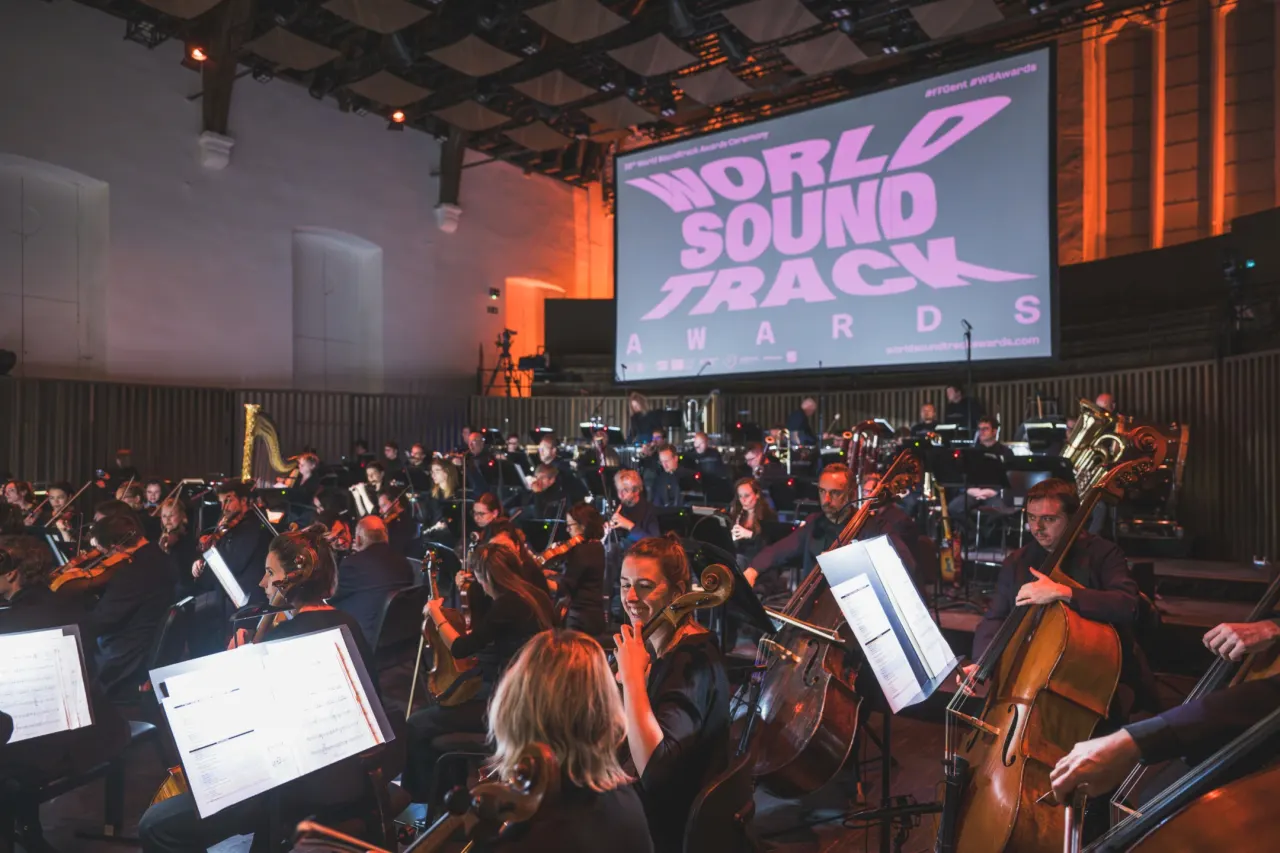
Composers and industry representatives at Ghent’s World Soundtrack Awards Film Music Days argued that human creativity and fair working conditions need protection as generative AI spreads. Their discussions focused on how AI affects copyright, musicians’ livelihoods and the entry-level jobs that help new composers build careers.
The European Composer and Songwriter Alliance represents more than 30,000 composers and songwriters through 57 member organisations. It is calling for permission, fair payment and transparency when music is used to train AI, and warned that uploading music to services such as Suno may grant broad commercial-use rights under their terms. Participants also stressed the value of assistants and other early-career roles, while composer Martin Phipps said AI would still require people to operate it.
- Composers called for permission, payment and transparency in AI training.
- ECSA represents over 30,000 composers and songwriters.
- Industry figures warned that AI could remove early-career opportunities.
Both sides, in good faith
The strongest fair case each way — we don't pick a winner.
The case for
Generative AI can help composers explore ideas and assist with routine tasks, while people remain responsible for directing and judging the results. Supporters may argue that using existing works to train systems can enable new creative tools and wider access to music-making, provided the rules are clear and creators’ rights are respected.
The case against
Training AI on music without permission, transparency and fair payment risks taking value from the people whose work makes these systems useful. The technology could also weaken musicians’ livelihoods and reduce assistant and entry-level roles through which new composers gain experience, so advocates argue that strong safeguards are needed to protect creative careers.