Entertainment news and discussion on TalkFuse.
Avatar: Legends needs a fighting game crossover with James Cameron’s Avatar
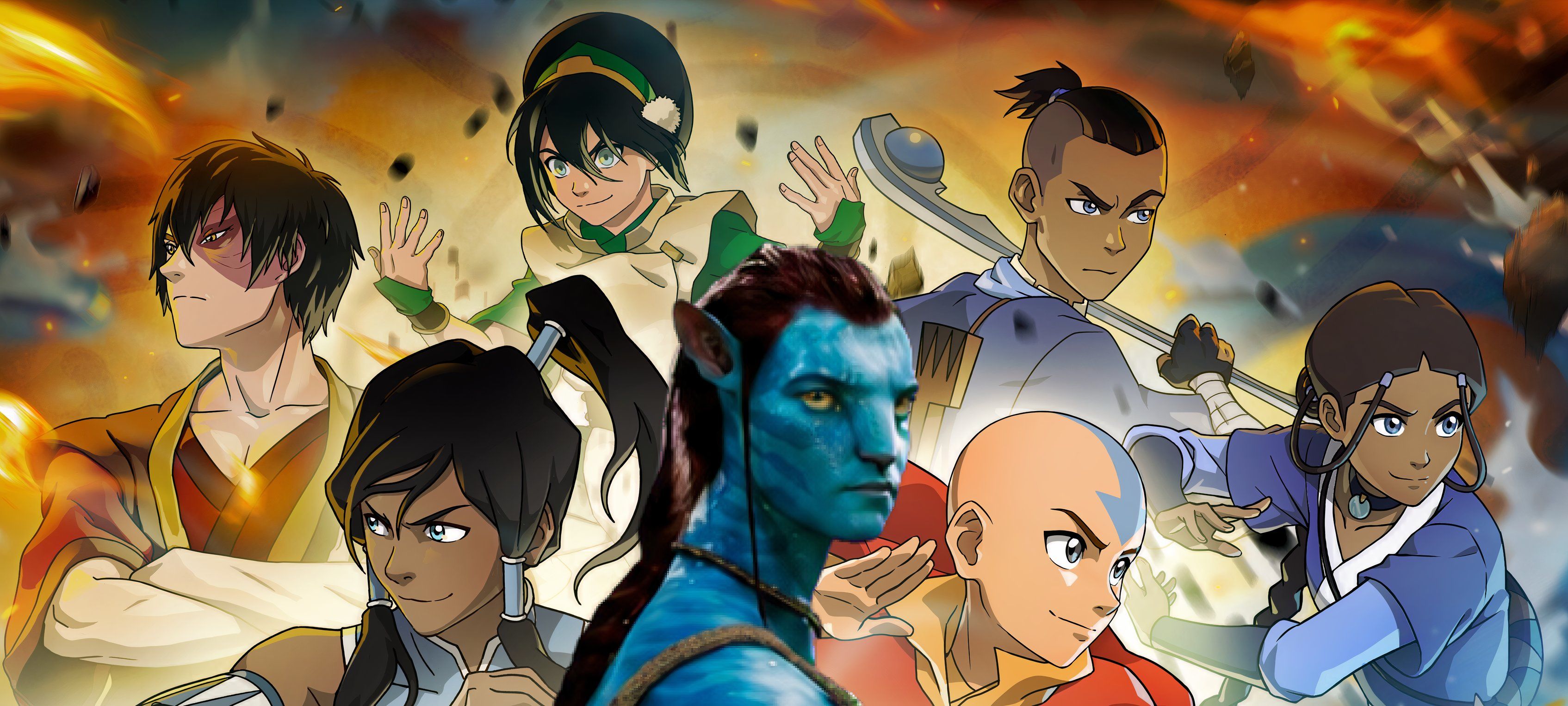
A Polygon opinion piece argues that the newly released fighting game Avatar: Legends, based on Avatar: The Last Airbender, should be followed by a crossover sequel featuring James Cameron's Avatar franchise, pitting Benders against the Na'vi in a Marvel vs. Capcom-style brawler. The writer suggests the two "Avatar" properties, though frequently confused, have both remained culturally dominant for decades and share enough thematic overlap in energy-based powers to make a mash-up plausible.
The piece notes Avatar: Legends already uses a complex combat system with light, medium and heavy attacks plus separate Chi and Chakra meters, which the author says could be adapted to the Na'vi's spiritual energy network, vitra. It also addresses the huge size disparity between characters, such as the 3'8" Toph Beifong and the 8'11" Na'vi form of Jake Sully, pointing to precedents in other fighting games like Tekken, Mortal Kombat and Super Smash Bros. Ultimate for handling mismatched character scales, and proposes potential movesets for Jake Sully, Neytiri and Kiri.
In short
- Writer pitches a fictional Avatar: Legends and James Cameron's Avatar crossover fighting game.
- Suggests adapting existing Chi/Chakra combat mechanics for Na'vi characters.
- Proposes movesets for Jake Sully, Neytiri and Kiri despite huge size differences.
Steelman: both sides, in good faith
The strongest fair case each way — we don't pick a winner.
The case for
A crossover between these two Avatar properties represents a commercially sound and creatively feasible opportunity. Both franchises command sustained cultural prominence and share thematic resonance in their portrayal of characters harnessing spiritual and elemental forces. The combat mechanics of Avatar: Legends—with its Chi and Chakra systems—could readily accommodate the Na'vi's spiritual network, whilst precedent from fighting games like Tekken and Smash Bros. demonstrates that handling extreme size differences presents no insurmountable technical barrier. Such a crossover could broaden each property's audience and make compelling use of both franchises' narrative and visual richness.
The case against
Whilst superficially appealing, a crossover conflates two fundamentally distinct properties that would jar significantly in execution. James Cameron's Avatar operates as grounded science fiction exploring colonialism and environmental stewardship, whereas The Last Airbender functions as fantasy-anime centred on personal balance and growth—their tonal and aesthetic differences would render any mash-up feel incongruous to fans of either franchise. Licensed crossovers carry substantial financial and logistical risk; resources would be better invested in perfecting Avatar: Legends or developing standalone experiences that authentically serve each property's unique thematic concerns rather than diluting both in pursuit of novelty.
Explained simply
Avatar: Legends is a newly released fighting game based on Avatar: The Last Airbender, the animated television series about teenagers who can control elements like water, fire, earth and air. A writer at Polygon has suggested the game should be followed by a crossover that also includes characters from James Cameron's Avatar, the science fiction films set on an alien planet. Since both franchises use the same name, they are often confused with one another despite being entirely separate stories.
The opinion piece argues a crossover could work because both stories feature characters with spiritual or energy-based powers that would translate well into the same type of fighting game. Avatar: Legends already has systems for tracking different types of power during battles, and the writer suggests these could be adapted to incorporate the Na'vi, the alien inhabitants of Pandora in Cameron's films, alongside the Benders from The Last Airbender.
The piece acknowledges a practical challenge: characters in the two franchises vary greatly in height, with some being human-sized and others significantly taller. The writer points to other successful games like Tekken and Mortal Kombat as examples of how differently-sized characters have been managed before, providing precedent for how this challenge could be addressed in a crossover game.