London room rents pass £1,000 as landlords leave market
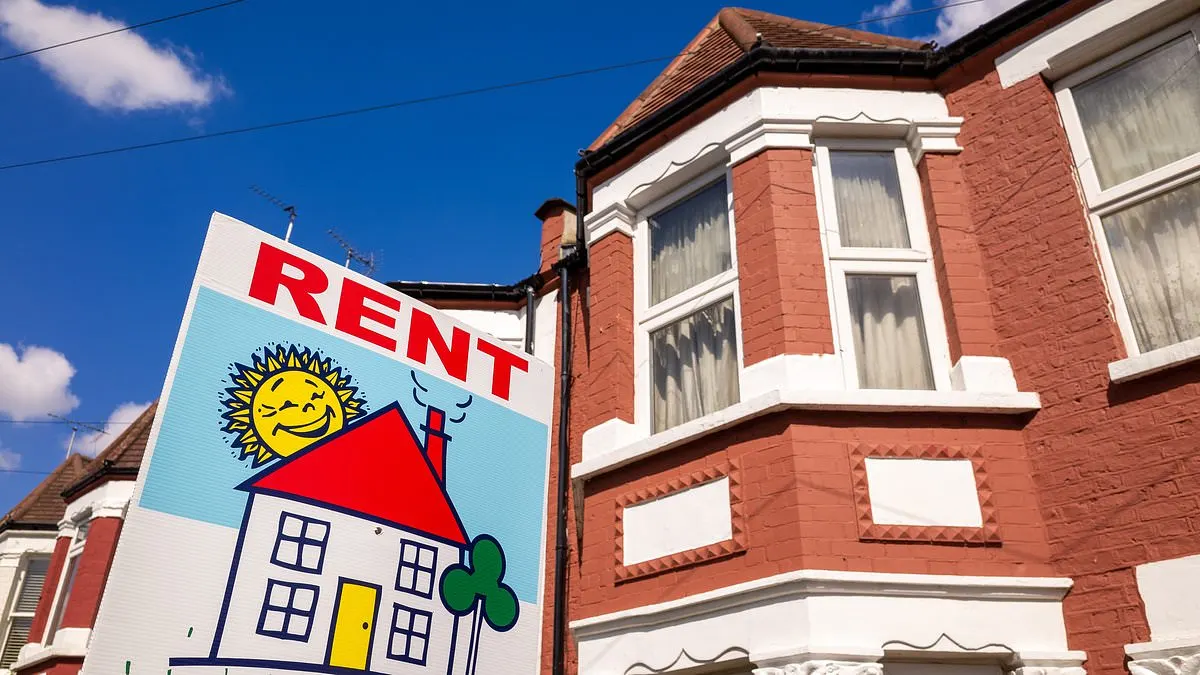
Rents for rooms in London's central areas have exceeded £1,000 per month for the first time since 2023, after the Labour government's Renters' Rights Act took effect in May. The legislation introduced protections including bans on 'no fault' evictions and caps on rent increases, but has triggered an unintended consequence: landlords are fleeing the market in response to the new regulations. This has reduced the supply of advertised rooms by 7.3 per cent and pushed prices upward, undermining the government's stated goal of making rental housing more affordable.
Inner London room prices rose from £990 in Q3 2025 to £1,002 in Q3 2026, whilst outer London rooms average £800. The average room in a flatshare across Britain has reached a record high of £769 per month. SpareRoom's management argues that landlords feel compliance requirements make the investment no longer worthwhile, though the government disputes evidence of an exodus. Renters are reporting significant difficulties, with one 28-year-old saying she now faces paying around £2,000 per month for a one-bedroom flat in south-west London, far above her original budget of £1,600.
- London room rents exceed £1,000 for first time since 2023 after tenant protection reforms.
- Housing supply dropped 7.3% as landlords quit market despite new regulations.
- Record-high costs threaten renters seeking affordable accommodation across Britain.
New here? Start with this
The Labour government introduced the Renters' Rights Act in May 2026 to protect people renting rooms and properties in the UK. The legislation banned landlords from evicting tenants without cause and introduced limits on how much rents can increase each year. The changes were intended to make renting more affordable and secure for tenants.
Since the new rules came into effect, the supply of advertised rental rooms has fallen, particularly in London. Property managers say landlords have become reluctant to rent out properties under the new regulations, arguing they make investment less attractive. The government, however, disputes whether landlords have actually left the market.
Despite the intention to improve affordability, rental costs have risen since the act came into force. Inner London rooms now cost over £1,000 per month, and room prices across Britain have reached record levels. This outcome is contrary to the legislation's stated goal of making rental housing more affordable.
Both sides, in good faith
The strongest fair case each way — we don't pick a winner.
The case for
Tenant protections address genuine harms—arbitrary evictions and unsustainable rent increases that exploit renters' weak bargaining position. The pre-existing housing shortage means renters faced affordability pressures regardless of this Act, and supply-side solutions remain the fundamental answer. Abandoning these safeguards would leave renters exposed to continued exploitation.
The case against
The policy's outcome contradicts its goal: rents have risen and supply fallen, worsening conditions for the renters it aimed to help. Landlords rationally exit given increased compliance costs and reduced returns. For struggling renters, fewer options and higher prices represent a worse outcome, indicating the policy required concurrent supply expansion to avoid causing harm.
Read the full article at the source →
Originally published by Daily Mail as “Average cost of renting a room in London ‘has surged past £1,000’”.