Awkward details resurface of ‘inflation’ photoshoot that Jim Chalmers will live to regret: PETER VAN ONSELEN
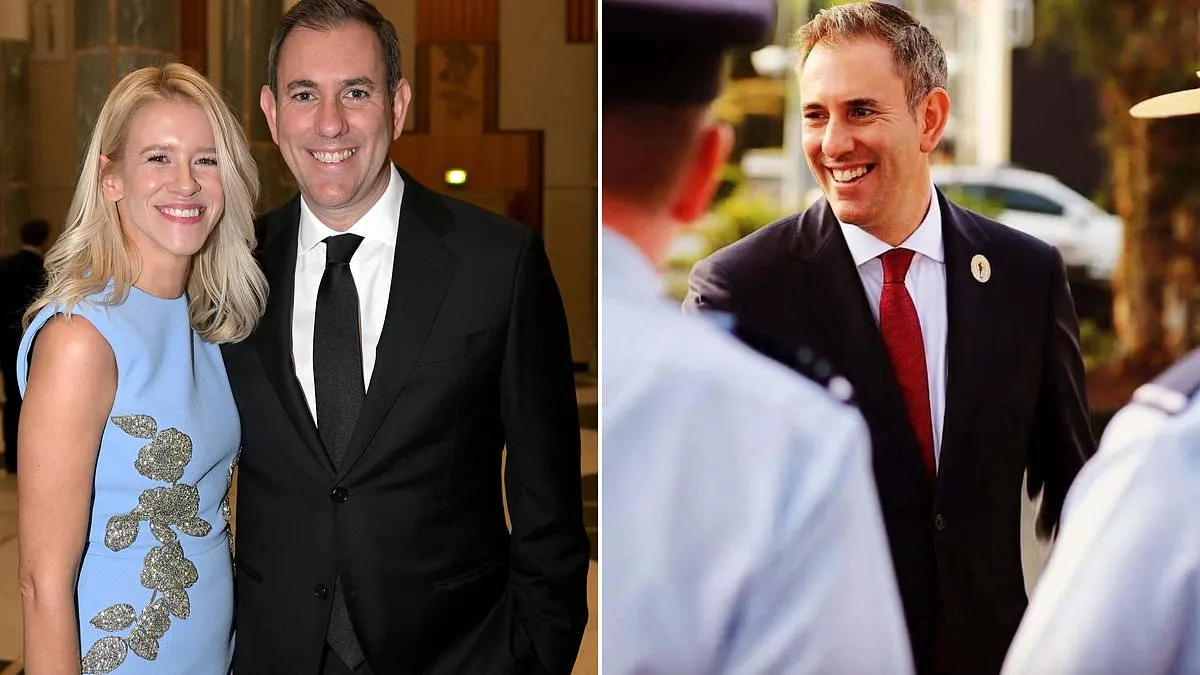
Australia’s annual inflation rose to 4.3 per cent in September, strengthening expectations of another Reserve Bank interest rate rise. The article criticises Treasurer Jim Chalmers for posing with an image of a subdued “inflation dragon” in 2024, arguing the photo now looks premature as households continue to face high costs.
The cash rate could rise by a quarter of a percentage point to 4.85 per cent, which would be the fifth increase this year, according to the article. It argues that higher rates would squeeze mortgage holders and businesses, while persistent inflation would erode wages and savings; it calls for federal spending restraint to help ease pressure on demand. International price shocks, domestic capacity constraints and weak productivity are also cited as factors.
In short
- Inflation reached 4.3 per cent in September.
- Another rate rise could lift the cash rate to 4.85 per cent.
- The article argues spending restraint could ease pressure on borrowers.
Steelman: both sides, in good faith
The strongest fair case each way — we don't pick a winner.
The case for
The photo-op invited scrutiny because inflation remained above target and another rate rise would add pressure to households and businesses. Advocates of spending restraint argue that reducing government demand could help ease inflation, while the image risks suggesting premature confidence in progress. Persistent price rises also erode wages and savings, so the Government should be held accountable for the signals it sends and its contribution to demand.
The case against
Inflation has several causes, including international price shocks, domestic capacity constraints and weak productivity, so a photo-op cannot establish that the Treasurer’s approach caused the problem. A symbolic image from 2024 may have reflected improvement at the time rather than a claim that inflation was permanently defeated. Sharp spending cuts could also weigh on services and economic activity, while interest-rate decisions and the pressures facing borrowers are not solely within the Government’s control.
Explained simply
Australia’s Treasurer, Jim Chalmers, is responsible for the federal government’s economic policy and budget. The Reserve Bank of Australia is separate from the government and sets the cash rate, which influences borrowing costs across the country.
Inflation is the rate at which prices rise over time, affecting the cost of essentials as well as wages and savings. Central banks may raise interest rates to curb price rises, but higher rates also increase repayments for people with mortgages and costs for businesses.
The debate involves how much inflation reflects government spending, global price shocks or limits on Australia’s ability to produce goods and services. It matters because decisions about spending and interest rates can affect household budgets, jobs and economic growth.
Art Business Culture Economy World