World news and discussion on TalkFuse.
Aztec document goes on display in Mexico after 186 years abroad
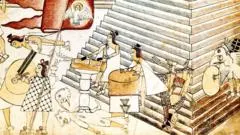
The Codex Azcatitlán, a 16th-century manuscript chronicling Aztec civilisation and its collapse following the Spanish conquest, is being displayed in Mexico for the first time in 186 years. The document has been held in France's Bibliothèque Nationale since 1898 and is considered one of the most significant historical records of Aztec history, making its return to Mexico a significant cultural moment for the country's ongoing efforts to recover its historical heritage.
The temporary loan is part of a cultural exchange marking 200 years of Franco-Mexican diplomatic relations, agreed between Mexican President Claudia Sheinbaum and French President Emmanuel Macron. In return, Mexico has agreed to lend the Codex Boturini to France; the latter depicts the Aztec migration to Lake Texcoco and the founding of Tenochtitlán. The loan reflects Mexico's broader campaign to repatriate historical artefacts, with the country's ministry of foreign relations reporting that over 2,000 objects were successfully returned last year. The Codex Azcatitlán will be exhibited at the National Museum of Anthropology in Mexico City from Thursday.
In short
- 16th-century Aztec manuscript returns to Mexico after 186 years in France
- Part of Franco-Mexican cultural exchange marking 200 years of relations
- Mexico continues efforts to repatriate historical artefacts from abroad
Steelman: both sides, in good faith
The strongest fair case each way — we don't pick a winner.
The case for
Displaying the Codex Azcatitlán in Mexico gives people there a rare chance to encounter a major record of their history and recognises the importance of cultural heritage to the communities and country connected to it. The reciprocal loan of the Codex Boturini makes the exchange a way to share both countries’ collections while marking their diplomatic relationship.
The case against
A temporary loan does not resolve the broader question of whether historically significant objects held abroad should be returned permanently, and the exchange may leave that issue unsettled. Lending another important manuscript in return could also raise concerns about the care, access and stewardship of both documents, even as it enables wider public viewing.
Explained simply
The Aztecs built an empire in central Mexico before Spanish forces conquered it in the 16th century. Tenochtitlán, their capital, stood where Mexico City is today, and much of what is known about Aztec life and history comes from records made around that time.
The Codex Azcatitlán is a manuscript created in the 16th century that records Aztec history, including the conquest. It has been held by France’s national library since 1898, while the Codex Boturini, which tells of the Aztecs’ migration to Tenochtitlán, is held in Mexico.
The exchange of the two manuscripts is part of cultural ties between Mexico and France. It also connects to Mexico’s efforts to bring historical objects held abroad back to the country.