Backup by Biolite Review: A Cool Idea
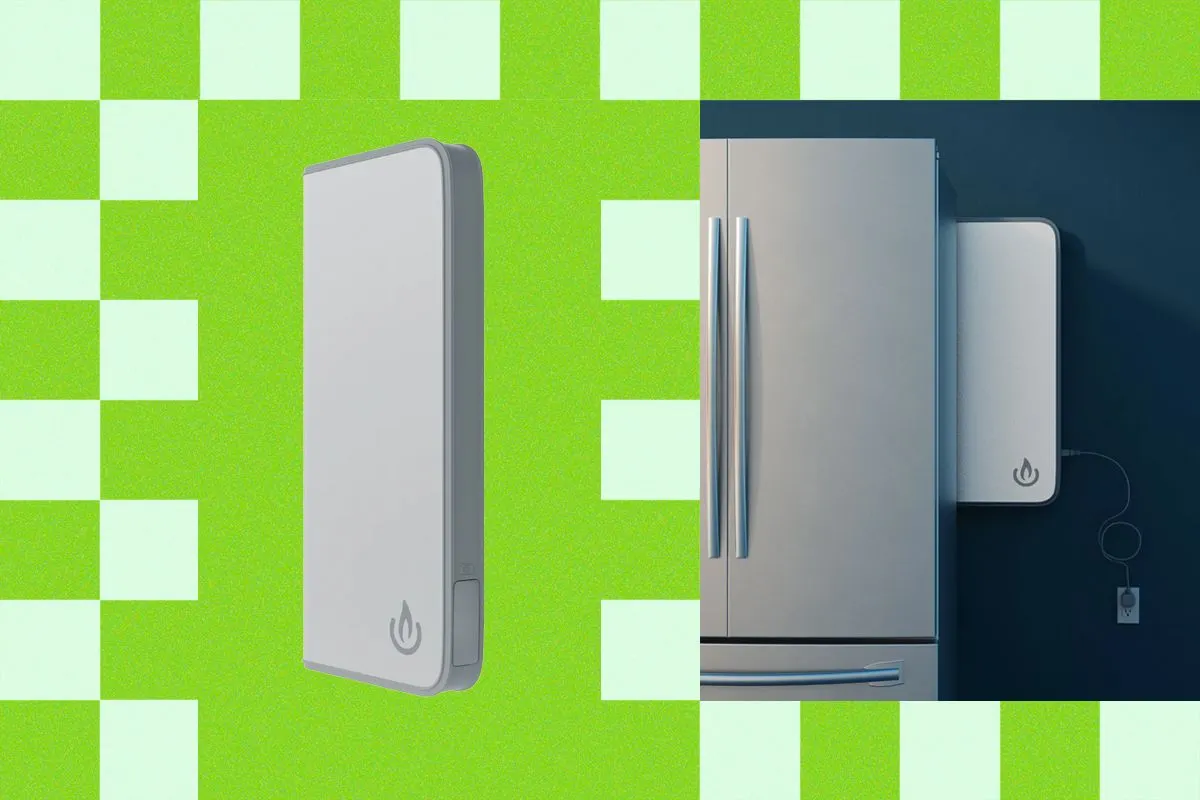
BioLite’s Backup system is a modular battery designed to keep a refrigerator running during a power cut, offering a simpler, lower-cost alternative to a whole-house battery. The reviewer found it capable and reassuring, though its usefulness is limited by the power and appliances it can support.
The Core unit stores 1,526 watt-hours and delivers up to 1,800 watts, with peak surges of 3,000 watts; an Extend unit can bring a two-battery setup to 3,072 watt-hours and, depending on the fridge, up to 60 hours of operation. Units plug into a standard 120-volt outlet and can be installed without an electrician, but each weighs about 40 pounds, and tight spaces or awkward mounting positions can make installation difficult.
In short
- BioLite offers backup power aimed specifically at keeping fridges running.
- Two units can provide up to 60 hours, depending on the refrigerator.
- Heavy batteries and cramped spaces may complicate self-installation.
Steelman: both sides, in good faith
The strongest fair case each way — we don't pick a winner.
The case for
A modular battery like BioLite Backup can keep essential food refrigeration running during an outage without the expense and complexity of a whole-house system. Its plug-in installation and expandable capacity offer a practical, reassuring option for households that want targeted backup power.
The case against
Its usefulness is constrained by the appliances and power it can support, and the stated runtime depends on the fridge and setup. The units are also heavy, and awkward installation spaces may make a supposedly simple system difficult to fit; for some households, those limits may weaken the case for buying it.
Explained simply
A home battery stores electricity for use when the mains supply is interrupted. Whole-house systems can power several circuits but may cost more and require professional installation; a smaller backup unit is designed for selected appliances.
BioLite makes the Backup system, which pairs battery units with a refrigerator to keep food cold during a power cut. Its capacity and output affect how long it can run a fridge and which other appliances it can support, while the size and weight of the units may matter when choosing where to install them.
The system is intended as a simpler option for households that want some protection from outages without backing up the whole home. How useful it is depends on the appliances involved, the length of the outage and the available battery capacity.