Badenoch appoints architect of Truss’s mini-Budget to replace Mel Stride as shadow chancellor
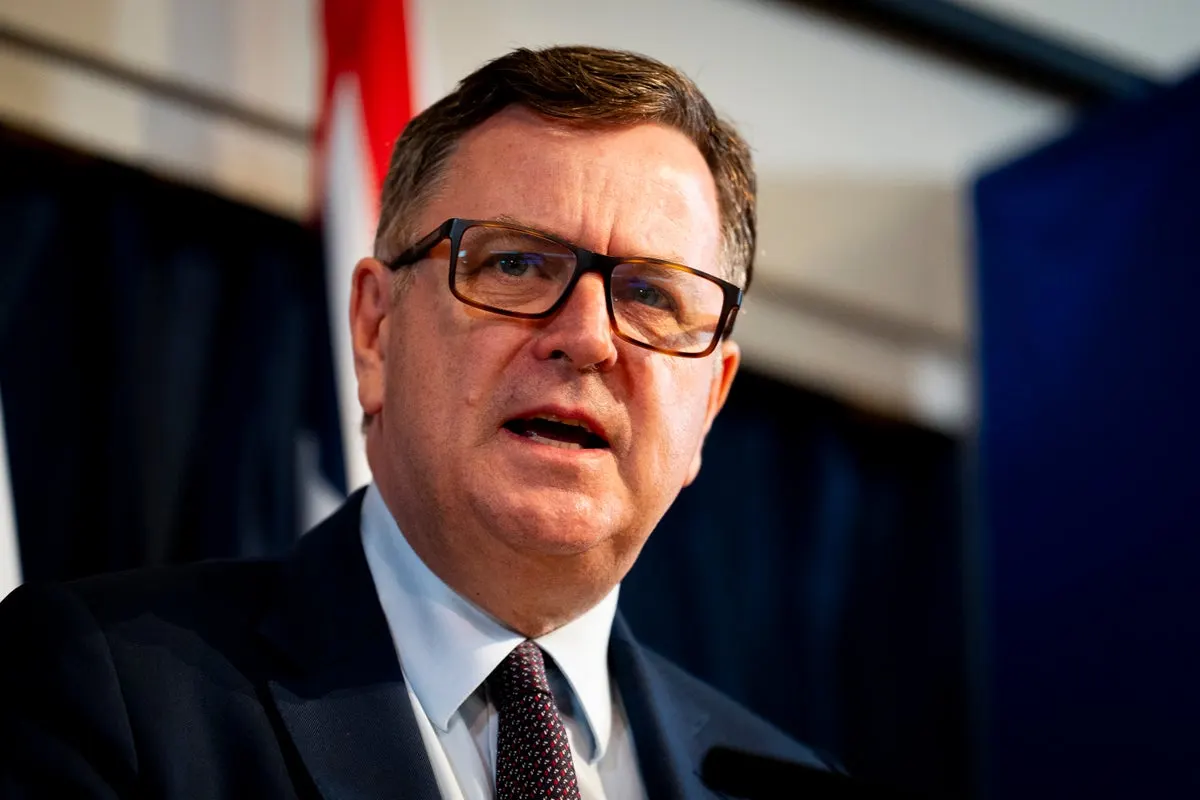
Conservative leader Kemi Badenoch has sacked shadow chancellor Sir Mel Stride and replaced him with Andrew Griffith, promoting him from shadow business secretary in what is being seen as a shift towards a bolder, more tax-cutting economic stance. The appointment is notable because Griffith was financial secretary to the Treasury under Liz Truss and helped design her 2022 mini-Budget, which triggered a run on the gilt market and widespread economic turmoil, suggesting Badenoch has not distanced the party from that episode as she seeks to compete with Nigel Farage's Reform UK.
The change forms part of Badenoch's first major reshuffle of her top team, which also saw Dame Priti Patel replaced as shadow foreign secretary by Tom Tugendhat and Stuart Andrew removed as shadow health secretary. Claire Coutinho will serve as Griffith's deputy on economics while remaining shadow business secretary, and Richard Fuller will focus on fiscal discipline; Griffith has pledged lower taxes, deregulation and scrapping Labour's employment rights reforms, while Liberal Democrat spokesperson Daisy Cooper accused the Tories of sacrificing economic credibility.
- Badenoch sacks Mel Stride, names Andrew Griffith shadow chancellor
- Griffith helped design Truss's 2022 mini-Budget
- Part of wider reshuffle also replacing foreign and health spokespeople
New here? Start with this
The shadow chancellor is the senior Conservative who speaks for the party on the economy and holds the government to account on tax and spending. Kemi Badenoch leads the Conservatives, who are the main opposition party; Labour is in government, while Reform UK is a rival party led by Nigel Farage.
Andrew Griffith served in Liz Truss’s Treasury team in 2022, when a package of tax cuts and spending plans unsettled financial markets and contributed to higher borrowing costs. The episode became known as the mini-Budget, and its effects remain part of debate about the Conservatives’ economic credibility.
The shadow chancellor’s role helps set out what the Conservatives would do if they returned to government. Tax, public spending and employment rules affect households, businesses and the wider economy.
Both sides, in good faith
The strongest fair case each way — we don't pick a winner.
The case for
Badenoch’s supporters could argue that Griffith’s experience designing the Truss-era mini-Budget gives him practical knowledge of how to pursue a more ambitious agenda, and that voters seeking lower taxes and less regulation deserve a clear alternative to Labour’s approach. His appointment may also help the Conservatives compete with Reform UK, while a team that includes figures focused on fiscal discipline could seek to pair tax cuts with credible safeguards.
The case against
Critics could argue that Griffith’s central role in the 2022 mini-Budget makes him a risky choice for a post concerned with economic trust, given the market turmoil that followed. At a time when voters and investors may prize stability, his appointment and promises of tax cuts and deregulation could suggest the party has not sufficiently learned from that episode or explained how its plans would be funded.