World news and discussion on TalkFuse.
Badenoch challenges Burnham over university fees for EU students
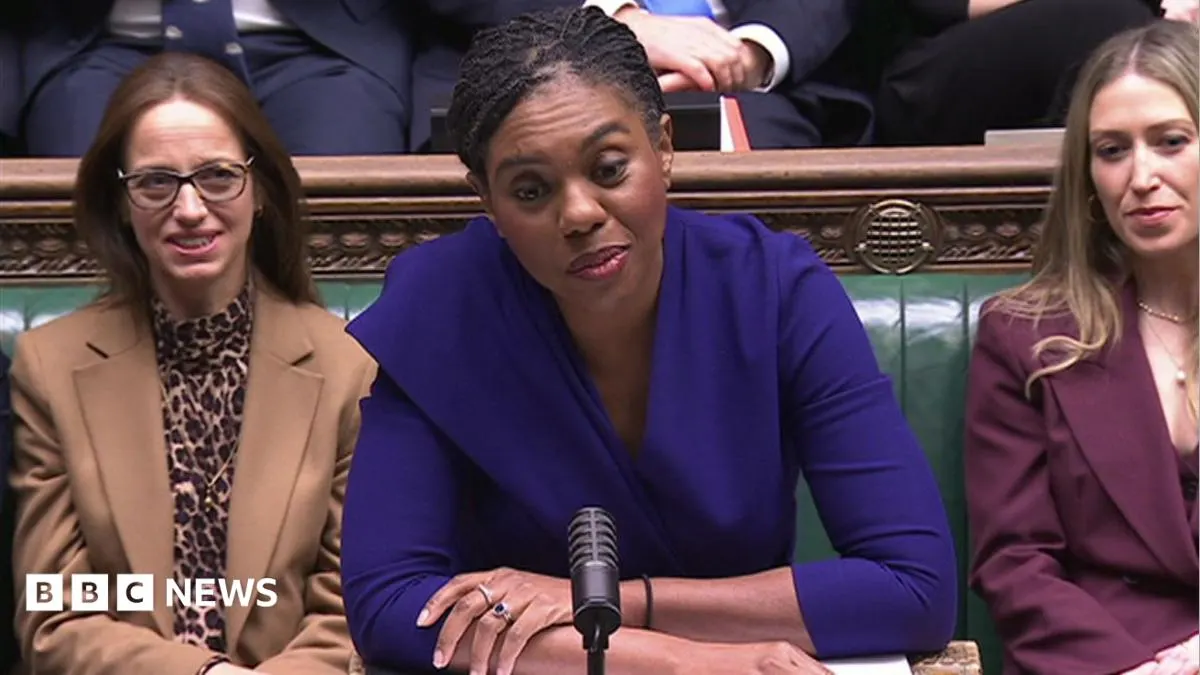
Conservative leader Kemi Badenoch challenged Prime Minister Andy Burnham over whether EU students studying in the UK might pay lower tuition fees under a developing agreement with the EU. The issue matters because universities warn that reducing fees could deepen their financial difficulties, while the two sides are negotiating wider post-Brexit arrangements.
EU students currently generally pay international rates of £11,400 to £38,000 a year, compared with a £9,790 annual cap for British undergraduates. The UK and EU have agreed to negotiate a separate tuition-fees agreement within six months, but say the wider deal on food exports, emissions trading and youth travel will proceed either way; Burnham ruled out adopting the EU’s stated position of equal fees, while leaving other reductions possible.
In short
- UK and EU tuition-fee talks are continuing separately.
- EU students currently pay international rates in the UK.
- The wider UK-EU deal is not dependent on a fee agreement.
Steelman: both sides, in good faith
The strongest fair case each way — we don't pick a winner.
The case for
Lower fees for EU students could make UK universities more accessible and support cross-border educational exchange, while strengthening wider co-operation with the EU. If negotiated carefully, a reduction short of equal fees might bring these benefits without adopting the EU’s full position, and the separate talks allow the government to weigh costs and terms.
The case against
Universities already face financial strain, and lowering fees paid by EU students could reduce income used to support teaching and research. Keeping international rates protects that funding and avoids making a significant concession in wider post-Brexit negotiations without clear evidence that the educational or diplomatic benefits would outweigh the cost.