World news and discussion on TalkFuse.
Badenoch hits out at PM’s ‘terrible’ EU deal as Farage warns of rejoin ‘disaster’
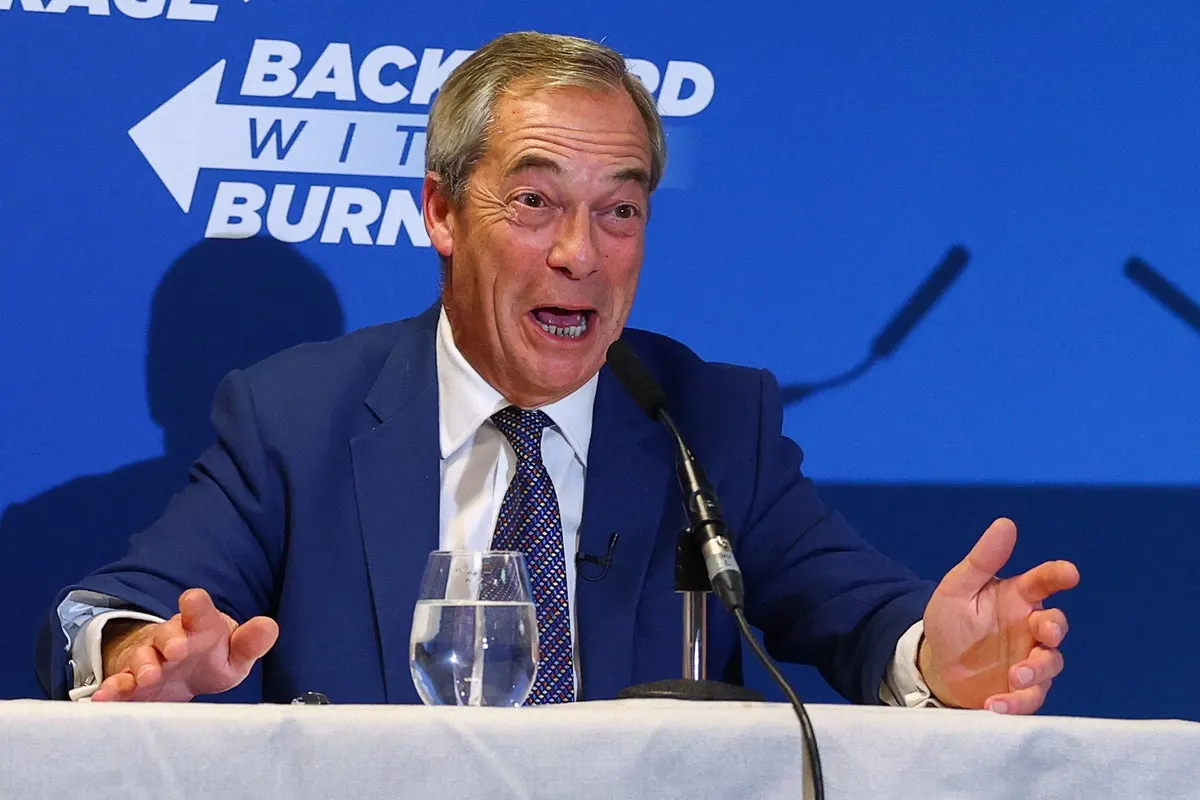
Conservative leader Kemi Badenoch and Reform UK leader Nigel Farage are set to criticise Prime Minister Andy Burnham’s efforts to reset relations with the EU. Speaking at the CBI conference, Badenoch will argue the deal’s projected 0.4% boost to GDP is too modest and that closer ties could weaken Britain’s negotiating position; Farage will warn that closer alignment would burden businesses with extra rules and costs.
The criticism follows Friday’s UK-EU summit, which produced agreements on food and agricultural exports, emissions trading and a youth experience scheme. Burnham plans to discuss the future relationship with the bloc over the next year. Badenoch says Britain should pursue growth in markets such as India, Indonesia and the US, while Farage argues that regulatory divergence supports innovation in areas including agricultural technology, financial services and artificial intelligence.
In short
- Badenoch says the EU deal’s 0.4% projected GDP boost is too low.
- Farage warns closer EU alignment could add costs and red tape.
- Friday’s summit covered food exports, emissions trading and youth exchanges.
Steelman: both sides, in good faith
The strongest fair case each way — we don't pick a winner.
The case for
Closer UK-EU cooperation could reduce friction for exporters, improve access to a large nearby market and support sectors covered by the summit agreements. Advocates may see the projected GDP gain as worthwhile and argue that practical alignment can deliver benefits while Britain continues to pursue trade with other countries.
The case against
Critics may argue that a projected 0.4% GDP boost is too limited to justify the costs or constraints of closer alignment, especially if shared rules reduce Britain’s scope to negotiate independently. They may also contend that regulatory freedom could help British firms innovate and that pursuing faster-growing markets beyond Europe offers a better route to growth.
Explained simply
The UK left the European Union in 2020, ending its membership of the bloc’s single market and customs union. Since then, the two sides have had new arrangements for trade and cooperation, while businesses have had to follow new procedures when trading across the Channel.
Prime Minister Andy Burnham is seeking closer working ties with the EU, which includes Britain’s largest nearby market. A recent summit produced agreements on food exports, emissions trading and a youth scheme, and talks on the wider relationship are expected to continue over the coming year.
Kemi Badenoch leads the Conservative Party and Nigel Farage leads Reform UK; both favour keeping more distance from EU rules. Their criticism reflects a broader debate over whether closer alignment could ease trade and support growth, or limit Britain’s freedom to set its own rules and pursue other markets.
Europe Geopolitics Politics UK World