Entertainment news and discussion on TalkFuse.
Baldur’s Gate 3 is a “great sequel” because it’s so different from the original RPGs, says programmer of the original RPGs
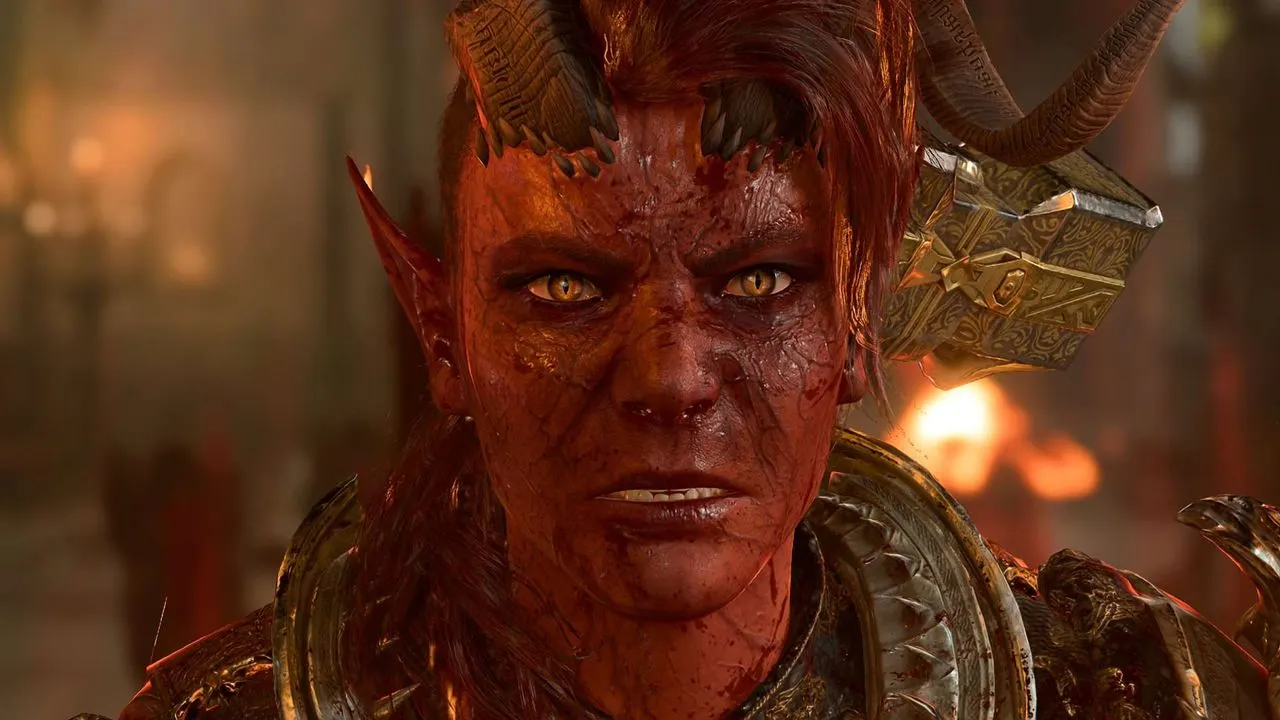
A programmer who worked on the original Baldur’s Gate role-playing games has praised Baldur’s Gate 3 as a strong sequel precisely because it differs substantially from its predecessors. The comments highlight that a sequel can preserve a series’ spirit and setting without closely copying its earlier gameplay or design.
Baldur’s Gate 3 was developed by Larian Studios, while the original games were made by BioWare and released in the late 1990s and early 2000s. Its turn-based combat, modern presentation and broader player freedom distinguish it from the real-time-with-pause systems used in the earlier titles.
In short
- Original-series programmer praises Baldur’s Gate 3’s different approach
- Larian’s sequel modernised the series’ gameplay
- The games share a setting more than a design formula
Steelman: both sides, in good faith
The strongest fair case each way — we don't pick a winner.
The case for
Sequels should evolve substantially to reflect contemporary gaming tastes and technical capabilities whilst preserving an intellectual property's core spirit. Real-time-with-pause combat, however innovative in the late 1990s, no longer aligns with modern player expectations or design standards; turn-based systems offer greater accessibility and strategic clarity. A franchise's essence resides in its world, characters, and storytelling rather than in specific mechanical implementations, making it entirely reasonable for Baldur's Gate 3 to reimagine gameplay whilst maintaining the Forgotten Realms setting and narrative-driven approach that defined the originals. Thoughtful evolution allows a beloved franchise to reach new audiences and remain commercially and critically viable.
The case against
The original Baldur's Gate games' real-time-with-pause combat represented a distinctive design choice that defined their identity and attracted a specific audience valuing that particular strategic experience. Changing fundamental mechanics so substantially risks abandoning what made those games special in favour of whatever design trends dominate the current era, effectively creating a game that shares a name rather than a true successor. Players who cherished the originals have legitimate expectations that a sequel would build upon rather than replace those core systems, and wholesale redesign risks alienating the franchise's most invested audience. The value of a faithful sequel lies precisely in honouring the original's specific design vision rather than assuming older approaches require replacement; many players today still deeply appreciate those distinctive design choices.
Explained simply
Baldur’s Gate is a fantasy role-playing game series set in the world of Dungeons & Dragons, a tabletop game where players create characters and go on adventures. The first two games were made by BioWare and released in the late 1990s and early 2000s.
Baldur’s Gate 3 was made by Larian Studios many years later. It uses turn-based combat, where players take actions in turns, while the earlier games used “real-time with pause”: events continued as they happened, but players could stop the action to give orders. The games share a setting and series identity, but approach play differently.