Baldur’s Gate 3’s writing is not as good as you think
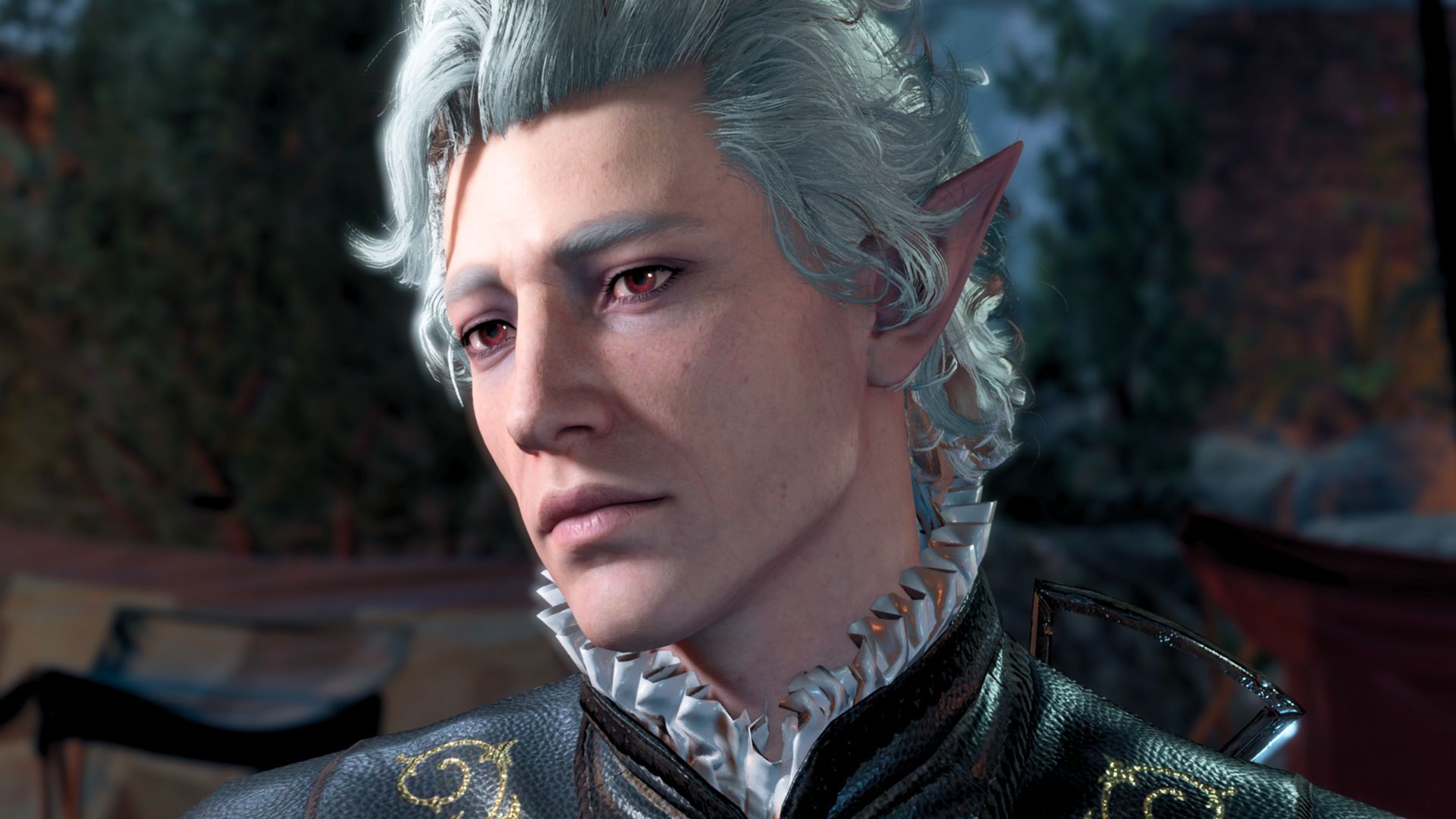
While Baldur's Gate 3 earned widespread praise for its narrative and character work, this gaming critic argues the writing falls short of its acclaimed reputation. Drawing comparisons to earlier role-playing classics like the original Baldur's Gate series and Planescape: Torment, the author suggests modern design prioritizes player choice over cohesive storytelling. Unlike foundational RPGs that balanced agency with focused narrative direction, BG3's emphasis on branching paths and numerous variations has diluted the impact of its core story.
The critic illustrates this with specific examples where narrative choices fail to deliver meaningful consequences. Selecting controversial story paths, such as a character's transformation near the game's conclusion, generates minimal companion reaction and little emotional weight. The game's celebrated romance system is characterized as a transactional approval mechanic rather than genuine relationship development—a design that feels especially hollow compared to the relationship arcs found in earlier titles like Mass Effect and Baldur's Gate 2.
- Despite critical acclaim for storytelling, reviewer argues BG3's narrative feels diluted by excessive branching paths and player choice emphasis
- Major story decisions produce little meaningful narrative payoff or companion reaction, unlike classic RPGs
- Romance mechanics function as transactional approval systems rather than character-driven relationship arcs