Ballet Experts Suspect a Trick Behind Rosalía’s En Pointe SNL Performance, but They’re Not Complaining
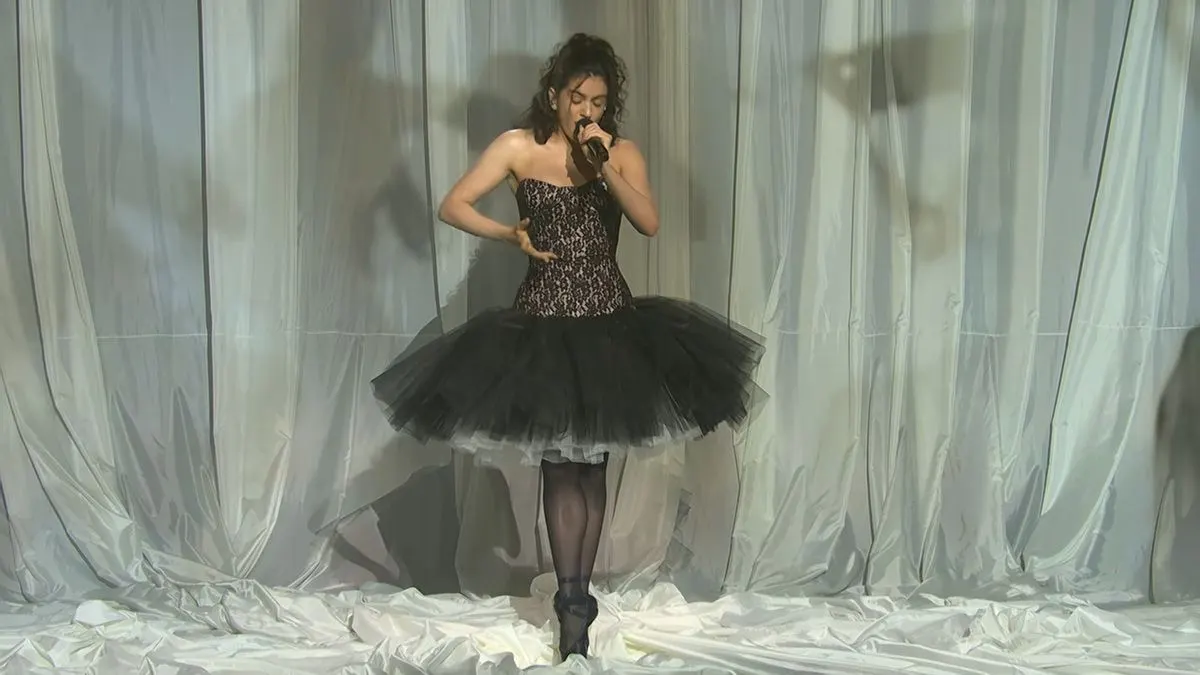
Rosalía’s performance of “Reliquia” on Saturday Night Live drew attention for appearing to hold an en pointe ballet position while singing for nearly four minutes. Ballet professionals questioned whether she did it unaided, but said the performance brought welcome visibility to ballet.
Leo Sorribes said it was impossible to remain completely still en pointe and suggested Rosalía’s legs may have been fixed in place. Chase Johnsey speculated she could have used a stool-like support, while David Campos said he was certain there was a trick; all three praised her talent or the attention she brought to the art form. Fans also debated possible hidden support online.
- Rosalía appeared en pointe for nearly four minutes on SNL.
- Ballet professionals suspected she had hidden support.
- They welcomed the attention her performance brought to ballet.
New here? Start with this
En pointe is a ballet position in which a dancer balances on the tips of their toes, usually with specially made shoes that help support the feet. It takes years of training, strength and balance, and dancers generally move through the position rather than holding perfectly still for a long time.
Rosalía is a Spanish singer and songwriter whose music often draws on different styles, including flamenco. Saturday Night Live is a long-running American television show featuring live performances by musical guests. Ballet professionals and viewers may look closely at how a demanding dance position is performed, while a high-profile appearance can also introduce ballet to a wider audience.
Both sides, in good faith
The strongest fair case each way — we don't pick a winner.
The case for
If Rosalía held the position unaided, the performance showed exceptional strength, balance and control, making ballet technique visible to a broad audience in an unexpected setting. Even if a discreet support was used, the staging could still be seen as an inventive artistic choice that drew attention to the discipline and skill behind ballet.
The case against
If the appearance depended on hidden support, presenting it as an unaided en pointe hold could give viewers a misleading impression of what the technique involves. Ballet professionals may reasonably want the distinction acknowledged, both to respect the training required and to avoid confusing theatrical effect with an actual sustained balance.