World news and discussion on TalkFuse.
Bangladesh raises garment workers’ minimum wage 36% after protests
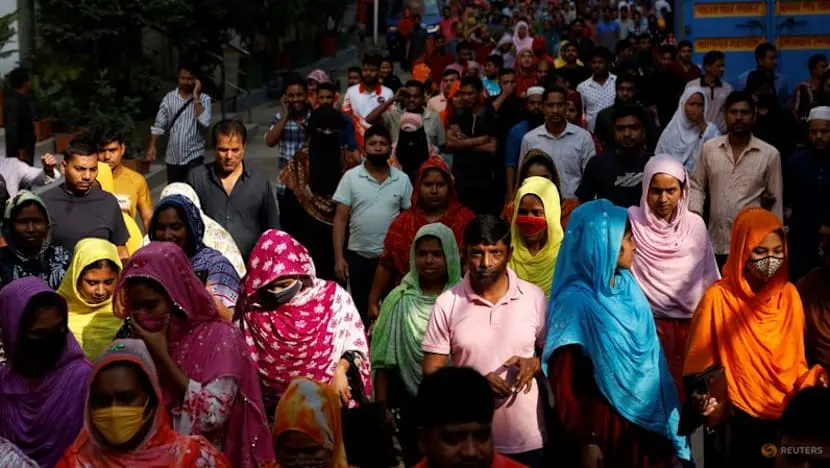
Bangladesh has raised the minimum monthly wage for garment workers by 36 per cent, to 17,000 taka (US$139), following weeks of protests that shut factories and disrupted production. The increase matters because the garment industry employs more than four million people and accounts for over 80 per cent of the country’s export earnings, while workers had sought substantially higher pay.
A government-appointed wage board approved the new pay structure in a 4-2 vote after nearly 12 hours of talks; two members supported workers’ demand for 18,000 taka. Monthly wages will range from 17,000 taka for Grade 4 workers to 21,500 taka for Grade 1, with the changes taking effect on 1 December and revised pay expected from January. An industry survey estimated 317 factories lost about US$428 million in production during 18 days of disruption, while buyers shifted orders worth about US$254 million elsewhere.
In short
- Minimum monthly pay rises 36 per cent to 17,000 taka.
- The wage board rejected workers’ 18,000-taka demand.
- Disruption cost factories an estimated US$428 million in production.
Steelman: both sides, in good faith
The strongest fair case each way — we don't pick a winner.
The case for
Supporters of the increase can argue that higher wages recognise workers’ contribution to an industry central to Bangladesh’s economy and offer some relief after years of low pay. They may also see a negotiated, scheduled rise as a practical step that could ease unrest and help restore stable production.
The case against
Critics can argue that the increase falls short of workers’ 18,000-taka demand and may leave many struggling with living costs. They may also warn that higher labour costs could strain factories competing for orders, risking further disruption or jobs in an industry that supports millions of workers and much of the country’s export income.
Explained simply
Bangladesh’s garment industry makes clothes for international brands and employs more than four million people. It is central to the country’s economy, bringing in more than 80 per cent of its export earnings.
Pay is set through a government-appointed wage board, which brings together representatives of workers, employers and the government. Workers’ wages are grouped by job grade, with higher grades receiving more.
The issue matters because millions of workers depend on garment jobs, while factories compete for orders from overseas buyers. Protests over pay can disrupt production and affect the flow of those orders.