Politics news and discussion on TalkFuse.
Bank warns tax rise could push mortgage costs higher for households
Developed over time first seen 22 hours ago
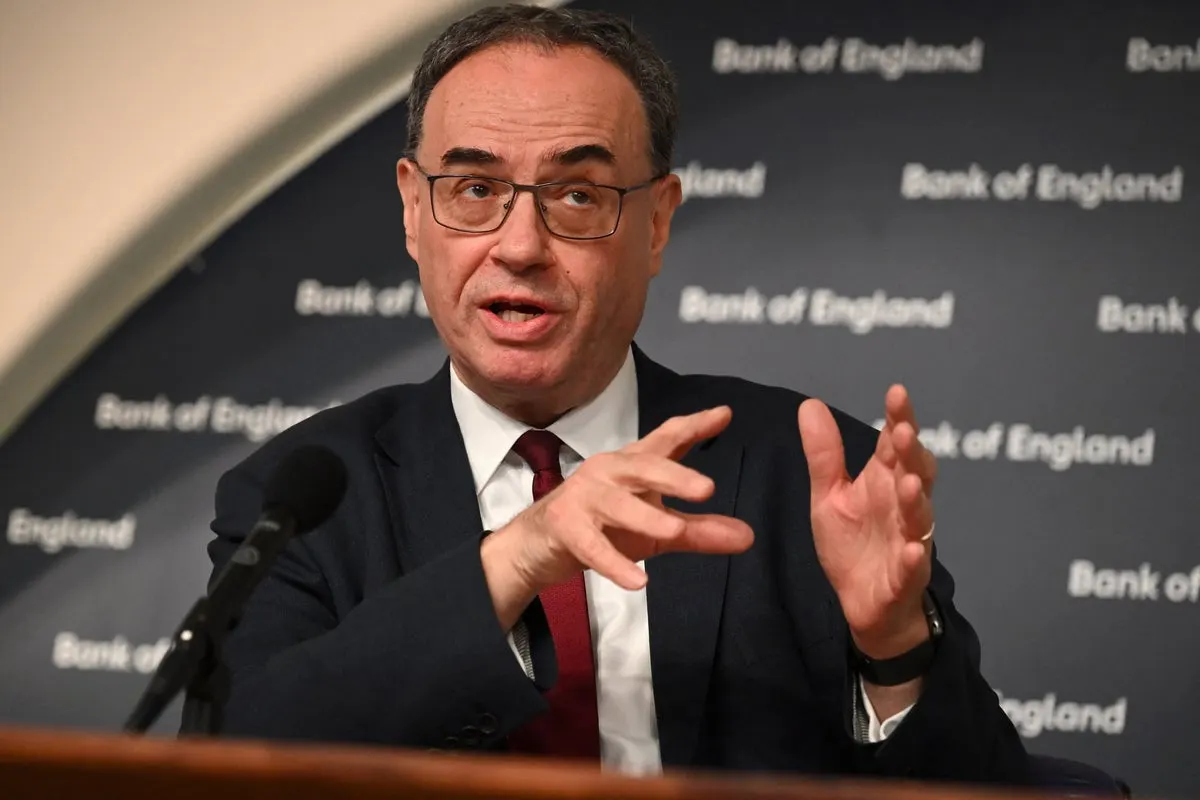
Bank of England governor Andrew Bailey warned that banks may pass on Labour’s higher tax charge to customers to protect their earnings. The surcharge increase is due in January, and could add to pressure on households already facing higher mortgage payments as they refinance.
The surcharge on banks’ corporation tax will rise from 3 per cent to 6 per cent for 15 months. The government expects it to raise £1.5 billion for cost-of-living support, including help with energy bills. The Bank projects that 6.5 million households will see mortgage payments rise by an average of about £100 a month over three years; more than one million refinancing by the end of next year could face an average increase of nearly £200, while about 430,000 households could see rises exceeding £500 a month.
- Sources
- 2
- Outlets
- 2
- Left · Centre · Right
- 1 · 0 · 1
In short
- Bailey says banks may pass on the higher tax.
- The surcharge is set to double for 15 months.
- Millions of households face higher mortgage payments.
How this story developed
- 15 hours ago Bank of England figures added that about 430,000 households could see their monthly mortgage payments rise by more than £500 over the next three years.
- 21 hours ago The warning was restated alongside the government’s plan to use the surcharge, doubled from 3 per cent to 6 per cent for 15 months, to raise £1.5 billion for support including energy bills.
- 21 hours ago Andrew Bailey warned that banks could pass on January’s planned increase in their corporation tax surcharge, as millions of households face higher mortgage payments when refinancing.
Full account
Bank of England governor Andrew Bailey has warned that banks may respond to a tax increase by raising the cost of borrowing or offering less on savings. The change, announced in the Budget by Chancellor John Healey, doubles the corporation tax surcharge on banks from 3 per cent to 6 per cent from January. Bailey said lenders could try to pass on the cost to protect their returns, though whether they can do so will depend on competition and market conditions.
The increase is expected to raise an additional £1.5 billion. Healey has described it as a temporary measure, due to last 15 months, and said the proceeds would help support households, including with energy bills. Banks had opposed the change and warned it could affect lending costs and the UK’s competitiveness. Bailey did not predict how much of the tax lenders might pass on, or how quickly.
The warning comes as many borrowers face higher repayments when fixed-rate mortgage deals end. The Bank’s latest Financial Stability Report projects that about 6.5 million households will see mortgage payments rise over the next three years, by an average of roughly £100 a month. More than one million borrowers currently paying rates below 3 per cent are due to refinance by the end of next year; their payments could rise by nearly £200 a month on average if they move to a rate of around 5.5 per cent. The report also estimates that about 430,000 households could face increases exceeding £500 a month over the period.
Households are also contending with higher essential costs. The reports cite a 26 per cent rise in the energy price cap for January and note that the Bank has warned some households may need to cut discretionary spending or use savings as bills increase. The reports connect the bank tax warning to this wider pressure, but the mortgage projections are separate from any effect the surcharge may have on borrowing or savings rates. The Bank has also cautioned that interest rates could rise further if energy prices remain high.
Where outlets differ
From the full account, which is AI-written from the sources:
Source 1 foregrounds the possible effect on mortgage borrowers and gives greater attention to the government’s stated use of the revenue, the temporary 15-month duration, and the comparison with the previous Bank forecast. Source 2 stresses the broader potential impact on consumers, including higher loan rates or lower savings rates, and includes banks’ concerns about competitiveness and the Bank’s warning about cutting spending or drawing on savings.
Both reports describe the surcharge as doubling from 3 per cent to 6 per cent and cite the same Bank mortgage estimates. Source 2 explicitly compares the 6 per cent rate with an initially feared 8 per cent; Source 1 does not. The supplied reports do not include source URLs.
Left-leaning outlets 1
Only here: bank, rise, push, mortgage, costs
Right-leaning outlets 1
Only here: banks, hammer, savers, borrowers, healey
Every side used: warns
Headline columns compared word for word; nothing in them is AI-written.
Steelman: both sides, in good faith
The strongest fair case each way — we don't pick a winner.
The case for
The higher bank tax could help fund cost-of-living support, including energy-bill assistance, at a time when many households are under pressure. Banks are profitable institutions, and asking them to contribute more may be seen as a fair way to share the burden, provided the measure raises revenue without unduly restricting lending.
The case against
If banks respond to the higher tax by raising mortgage rates or fees, households could bear much of its cost, including borrowers already facing sharp increases when refinancing. That would weaken the intended support for living costs and could make housing less affordable; critics may also argue that a tax affecting banks’ capacity to lend risks broader economic costs.
Explained simply
The Bank of England is the UK’s central bank and monitors risks to the financial system. Its Financial Stability Report looks at pressures on households, banks and the wider economy, including how changes in mortgage costs could affect people who borrow to buy their homes.
Banks pay corporation tax on their profits, and a surcharge adds to that bill. The Labour government plans to raise the surcharge from 3 per cent to 6 per cent in January, saying the extra revenue will help fund cost-of-living support, including help with energy bills.
Banks can respond to higher costs in different ways, including by changing what they charge customers, though the effect on mortgage rates depends on wider conditions too. The issue matters to homeowners whose fixed-rate mortgage deals are ending, as higher payments could put pressure on household budgets.
Coverage · 2 sources
Bias meters
From 2 rated sources.
Read the full article at the source →
Originally published by The Independent as “Bank of England boss warns banks may pass on costs of Labour’s tax hike to customers”.