Bank of England chief warns Healey: Balance the books or face more bond market turmoil
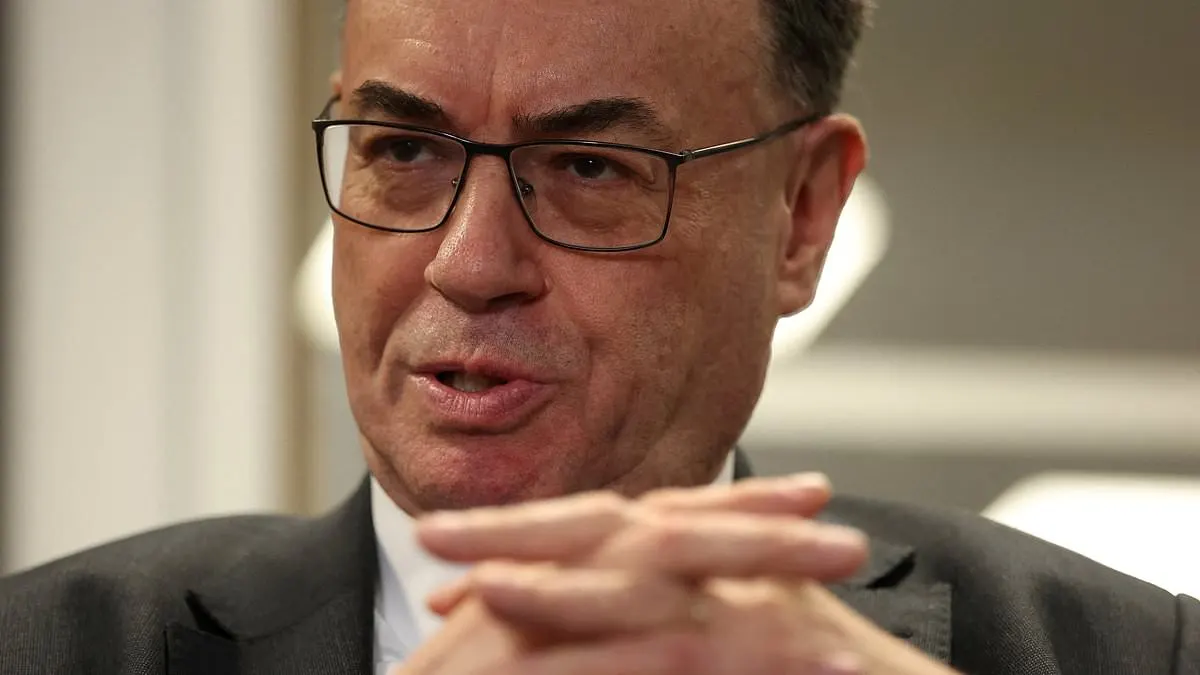
The Governor of the Bank of England has issued a direct warning to Chancellor John Healey that fiscal credibility is vital to avert worsening bond market turmoil. Andrew Bailey stated that if markets lose confidence in the government's spending trajectory, bond yields could rise further, tightening financial conditions and pushing mortgage rates even higher. This intervention comes three weeks before Healey's Budget on 28 October, as investors worry how he will fund commitments including cost of living support, defence spending and social care reform.
The warning reflects severe market pressure on UK government bonds, with ten-year gilt yields reaching 5.52 per cent yesterday—their highest level since 2007—and 30-year yields exceeding 6.04 per cent, the highest since 1998. Mortgage rates have already climbed above 6 per cent on average for five-year fixes, threatening homeowners with substantial payment shocks when pandemic-era deals below 1.5 per cent expire. The market turmoil has more than halved the Chancellor's budget headroom from £24 billion to around £12 billion, and analysts warn it could reverse into a £7 billion deficit if global instability continues.
- Bank of England warns Chancellor risks bond market crisis unless fiscal policy is credible.
- UK borrowing costs hit 28-year highs; mortgage rates now above 6 per cent.
- Budget headroom more than halved as gilt yields spike to highest levels in decades.
New here? Start with this
Government bonds are essentially loans that investors make to the government. When investors worry the government might struggle to manage its finances, they demand higher interest rates on those loans. This is what has happened recently with UK government bonds—investors have become nervous about whether the government can afford its spending plans, pushing interest rates on these bonds to their highest levels in years.
This matters to ordinary people because when government bond interest rates rise, mortgage rates tend to follow. Many homeowners are about to renew mortgages at much higher rates than they paid during the pandemic, and climbing government bond rates make this problem worse. The warning from the Bank of England's Governor reflects fears that without a credible plan to balance the books, bond markets could become even more turbulent.
The Chancellor is due to announce his Budget in late October, where he must explain how he plans to fund various government commitments including defence, social care and support for living costs. If investors believe his spending plans are not financially sustainable, the instability in bond markets could worsen, pushing up mortgage rates for millions of households.
Both sides, in good faith
The strongest fair case each way — we don't pick a winner.
The case for
The BoE Governor's warning reflects genuine financial stability risks that cannot be ignored. When gilt yields reach twenty-year highs, markets are signalling serious concern about the government's debt trajectory. If the government disregards this warning and continues expansionary spending, it risks triggering a destructive spiral where rising yields make debt service impossible, forcing even more brutal cuts later and threatening the economic stability upon which mortgages, pensions and savings depend.
The case against
Markets can be irrational and driven by global forces beyond government control, and should not become the sole arbiter of policy. The government has genuine obligations to invest in the NHS, social care, defence and support for struggling families during a cost-of-living crisis. Strategic fiscal investment in growth and public goods can improve the long-term fiscal position more than premature austerity, which risks prolonging economic stagnation and making debt service harder.