Science news and discussion on TalkFuse.
Bank of England spent £85,000 on research to justify dropping Winston Churchill and other British heroes from banknotes
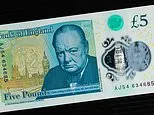
The Bank of England spent more than £85,000 on research to support its decision to drop historical British figures, including Sir Winston Churchill, Alan Turing and Jane Austen, from future banknotes in favour of wildlife designs. A Freedom of Information request revealed that consultants warned such figures could appear "elitist and divisive" and risk projecting a "backward-looking vision of the UK", a rationale that has triggered criticism from politicians, including Tory leader Kemi Badenoch, who accused the Bank of "erasing our history".
Of the total spend, £63,000 went towards justifying the switch to a nature theme, with £49,000 paid to consultancy firm Savanta for focus groups and £22,500 spent on public consultations about which animals should feature. More than 400,000 votes were cast on a shortlist covering mammals, birds, and other wildlife such as the red fox, barn owl and Atlantic salmon, with governor Andrew Bailey due to confirm the final choice by the end of the year. The Bank has defended the move as a "positive evolution" rather than "censorship", noting the 2017 introduction of Jane Austen followed campaigns for greater representation, while current notes still feature Churchill, Austen, JMW Turner and Turing.
In short
- Bank of England spent £85,000 researching removal of historical figures from banknotes
- Critics, including Kemi Badenoch, say the move "erases" British history
- Wildlife designs to replace Churchill, Austen and Turing, decision due by year-end
Steelman: both sides, in good faith
The strongest fair case each way — we don't pick a winner.
The case for
Replacing historical figures with wildlife could make banknotes feel more inclusive and forward-looking, avoiding the impression that national identity is defined by a narrow set of prominent individuals. The consultations and public vote also offer people a direct role in choosing designs, while the current notes continue to honour figures such as Churchill, Austen and Turing.
The case against
Removing figures such as Churchill, Austen and Turing from future notes risks weakening the visible connection between Britain’s history and its everyday symbols, even if their names remain celebrated elsewhere. Critics may also question whether spending public money on research to justify the change was proportionate, and argue that wildlife designs need not require replacing historical figures.
Explained simply
The Bank of England issues the banknotes used across the UK. Its current notes feature historical figures, including Winston Churchill, Jane Austen, JMW Turner and Alan Turing; the Bank plans to use wildlife designs on future notes instead.
The Bank says the change is an evolution of its designs, while critics argue that removing well-known figures could diminish their place in public life. The debate touches on how national history is represented, and who or what appears on everyday money.
The Bank consulted the public on wildlife that could feature, including mammals, birds and fish. Its governor, Andrew Bailey, is responsible for confirming the final choice.