Business news and discussion on TalkFuse.
Bank of England’s inflation response ‘risks higher interest rates for longer’
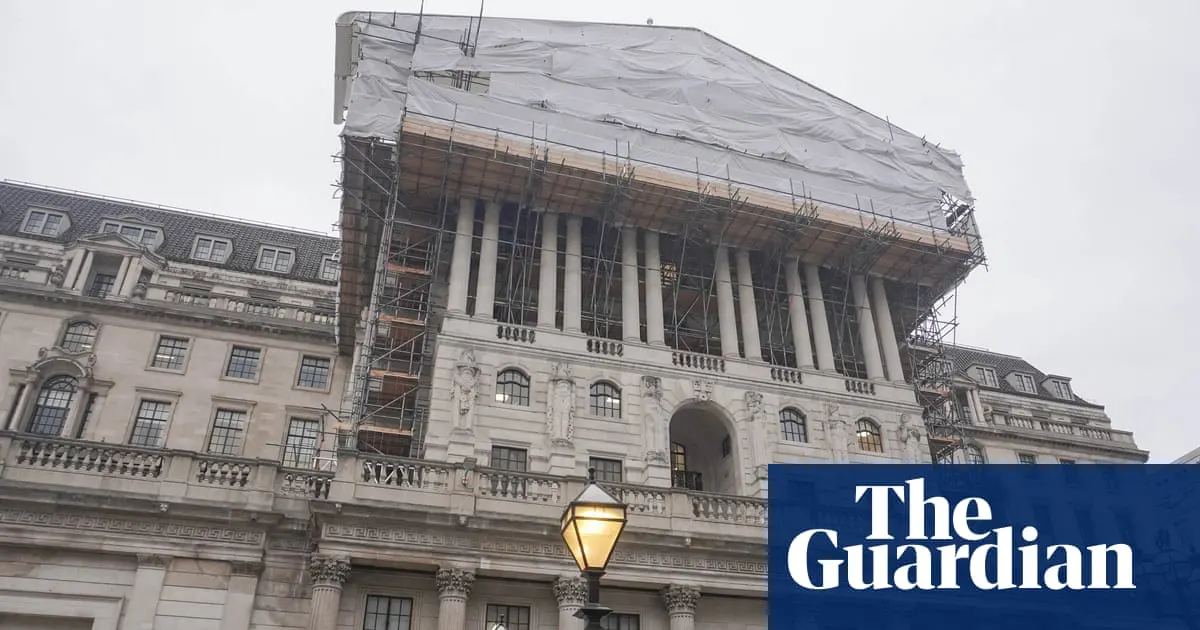
The National Institute of Economic and Social Research (Niesr) says the Bank of England’s recent interest rate rise was too cautious and could leave inflation above its 2% target until at least 2030. It warns that delayed action may make inflation more persistent and ultimately require higher rates for longer.
The Bank raised its rate from 3.75% to 4% last week, amid fuel costs pushed up by the war involving Iran; UK inflation is currently 3.5%. Niesr expects inflation to exceed 4% in the new year and forecasts UK growth of 1.6% this year, slowing to 0.9% in 2028. Its outlook assumes oil at $105 a barrel, while it also warns that deferred budget decisions could leave a £30bn hole in government finances if repeated next year.
In short
- Niesr says the Bank’s rate rise was too timid.
- UK inflation is 3.5% and may exceed 4%.
- The thinktank warns rates may stay higher for longer.
Steelman: both sides, in good faith
The strongest fair case each way — we don't pick a winner.
The case for
Niesr’s case is that a small rate rise may not be enough to stop higher fuel costs feeding into wages and prices, making inflation more persistent. Acting more firmly now could keep expectations anchored and reduce the risk of needing even higher rates for longer later.
The case against
A cautious rise can reflect the risk that higher borrowing costs would further weaken growth and squeeze households and businesses, especially when the immediate fuel shock is driven by events abroad. If that shock fades, larger rate rises could impose lasting economic costs without materially improving the source of inflation.
Explained simply
The Bank of England sets interest rates to help keep prices stable, with an official inflation target of 2%. Higher rates make borrowing more expensive and can reduce spending, which may slow price rises, but they can also weigh on households and businesses.
The National Institute of Economic and Social Research is an independent UK economic research institute. It publishes forecasts and analysis that can differ from the Bank’s own assessment; its estimates depend partly on assumptions about factors such as energy prices.
Inflation is the rate at which prices rise, while economic growth measures how much the UK produces. The government’s budget choices also affect public finances, so forecasts about prices, growth and tax or spending decisions can shape debate over the economy.
Business Economy Politics UK World