Culture news and discussion on TalkFuse.
Banksy works cost public almost £150,000
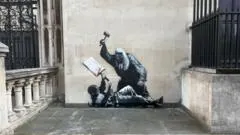
Street artist Banksy's works have cost UK taxpayers almost £150,000 in cleaning and security costs, according to figures obtained by the BBC via Freedom of Information requests. The largest expense stems from a mural painted on the Grade II-listed Royal Courts of Justice in London in September 2025, depicting a judge striking a protester with a gavel, which the artist has claimed as his own. The disclosure is likely to reignite debate over whether Banksy's work constitutes vandalism or valuable public art, with the bill expected to rise further.
The Ministry of Justice has spent £50,000 attempting to remove paint from the Carey Street building, plus a further £35,300 on overtime and security, taking costs for that mural alone above £85,000. Initial cleaning attempts failed, prompting contractors to use laser technology, and a Listed Building Consent application has been submitted, with the affected stonework potentially needing removal if cleaning proves unsuccessful. Shadow Justice Secretary Nick Timothy condemned the spending as an outrage and called for Banksy to cover the costs, while art critic Estelle Lovatt defended the work, citing its cultural and tourism value.
In short
- Banksy artworks have cost taxpayers nearly £150,000 in cleanup and security
- Royal Courts of Justice mural alone cost over £85,000 so far
- Sparks fresh debate over whether his work is vandalism or art
Steelman: both sides, in good faith
The strongest fair case each way — we don't pick a winner.
The case for
Banksy's work constitutes genuine artistic expression that enriches public discourse and cultural life, with substantial tourism and cultural value demonstrated across multiple sites. The judiciary mural at the Royal Courts of Justice offers important political commentary on justice systems, and such provocative art has historically proven valuable to society despite initial controversy. Rather than viewing this as mere vandalism, the public investment in preserving these works reflects recognition that significant art—particularly art that challenges institutions—often requires institutional and public support.
The case against
These works, whatever their artistic merit, were created without permission on public property and listed buildings, making them fundamentally acts of vandalism. The artist has profited substantially from their notoriety whilst taxpayers bear the costs—£150,000 across multiple sites—funds that could address pressing public needs. Permitting public expenditure to clean and preserve unauthorised street art sets a problematic precedent and unfairly distributes costs, with those responsible for the creation rather than the public bearing financial consequences.
Explained simply
Banksy is the name used by an anonymous British street artist whose works often appear without permission on walls and buildings. They can attract substantial attention and value, while also raising questions about who owns or is responsible for the surfaces they are painted on.
The Royal Courts of Justice is a Grade II-listed building in London, meaning it has protected historic status. Cleaning or altering its stonework is subject to rules, so removing paint can require specialist work and approval.
The costs bring competing responsibilities into focus: public bodies must maintain buildings and account for spending, while supporters may see Banksy’s work as art with cultural or tourism value. The debate includes whether unauthorised works should be treated as vandalism, preserved as art, or paid for by the artist.