Barclays faces complaint over backing for power plant near world’s largest mangrove forest
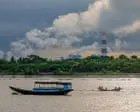
Barclays Bank is facing a formal complaint over its financial links to a coal-fired power station near the Sundarbans, the world's largest mangrove forest, which spans Bangladesh and India and is home to millions of people. Three complainants have submitted a case to the UK government's Office for Responsible Business Conduct, alleging the bank breached international guidelines by underwriting companies involved in the Rampal power plant, which campaigners say is polluting the Unesco world heritage site with heavy metals and contributing to climate risks that threaten the region's role as a natural storm barrier.
The complaint, supported by King's Legal Clinic, says Barclays underwrote debt for India's state-owned NTPC Ltd, a joint-venture partner in the plant, and bond issues for the Export-Import Bank of India between 2016 and 2019, which loaned funds to the project. A study last November found elevated mercury and arsenic levels in Sundarbans waterways, particularly the Pasur River beside the plant, while Unesco warned in 2016 that pollution could "irreversibly damage" the site. Campaigner Sharif Jamil argues Barclays failed to conduct adequate due diligence and should redirect financing towards renewable energy, noting other banks, including French institutions, declined to back the project.
In short
- Barclays faces UK complaint over financing linked to Rampal coal plant
- Campaigners say pollution threatens Sundarbans mangrove forest and wildlife
- Study found elevated mercury and arsenic near the power station's river
Steelman: both sides, in good faith
The strongest fair case each way — we don't pick a winner.
The case for
The complaint’s case is that financing companies involved in Rampal helped enable a coal plant beside an exceptionally important mangrove ecosystem, despite warnings about pollution and potential harm to local communities and the forest’s protective role. If Barclays did not adequately assess those risks, it is reasonable to question whether its financing met responsible-business standards and to call for stronger safeguards and support for cleaner energy.
The case against
A bank could argue that underwriting bonds for a state-owned company or public lender is not the same as directly financing or controlling a particular power plant, and that responsibility should be judged against the information and standards available when the deals were made. The reported environmental findings and allegations warrant scrutiny, but the complaint itself does not establish that Barclays breached guidelines or that its financing caused the reported pollution; those questions require evidence and a fair assessment through the formal process.
Explained simply
Coal-fired power stations burn coal to produce electricity. Rampal is a power plant in Bangladesh developed by a joint venture involving NTPC, an Indian state-owned energy company. The Sundarbans, a vast mangrove forest shared by Bangladesh and India, lies nearby and supports millions of people.
Mangroves provide habitats for wildlife and help shield coastal communities from storms. The plant’s location has drawn concern because pollution in nearby waterways could affect the forest and the people who depend on it. The area also faces climate risks, including rising seas and stronger storms.
Large projects often rely on loans or bond sales arranged by banks. These links can raise questions about what checks banks should make on environmental and social risks before helping companies or public bodies raise money.
Asia Business Climate Elections Environment Politics Science World