World news and discussion on TalkFuse.
BBC accused of ‘enabling’ Russell Brand – ‘incredibly tolerant’
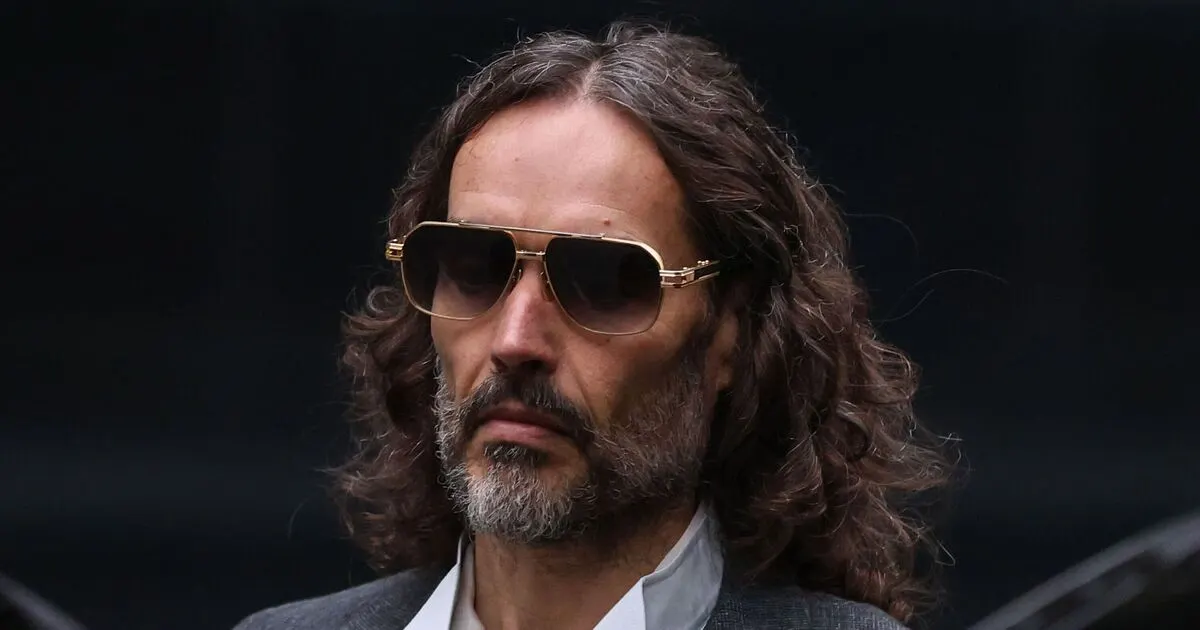
Russell Brand was found guilty of rape and three counts of sexual assault after a three-week trial, prompting criticism of the BBC’s past treatment of him and calls for people who enabled his behaviour to be held accountable. The BBC apologised for past failings, while the verdict has renewed scrutiny of how broadcasters handle allegations against prominent talent.
Brand was remanded in custody and the judge said a prison sentence of some length would follow. The jury convicted him over incidents from 2004 to 2009, but cleared him of rape and attempted assault charges relating to two other allegations. Prosecutors are reviewing whether to bring two further rape charges; Channel 4 and MTV have also faced questions about their ties to Brand.
In short
- Russell Brand was convicted of rape and three sexual assaults.
- The BBC apologised for past failings in its handling of him.
- Prosecutors are reviewing two further rape allegations.
Steelman: both sides, in good faith
The strongest fair case each way — we don't pick a winner.
The case for
The BBC’s past willingness to give Brand prominent platforms, despite concerns about his conduct, may have helped normalise his behaviour or discouraged scrutiny. An apology and calls for accountability reflect the view that broadcasters have a duty to take allegations seriously, protect those who raise concerns and examine whether their practices enabled harm.
The case against
It is important to distinguish what was known at the time from what became clear through later reporting and the trial; criticism should be based on evidence of what BBC staff knew and how they responded. Broadcasters also need fair procedures that assess allegations carefully, respect due process and avoid treating association with a prominent figure as proof of complicity.
Explained simply
Russell Brand is a British comedian and actor who became a prominent television and radio presenter. The BBC gave him high-profile work, including radio programmes, before allegations about his conduct became public.
Broadcasters have a responsibility to respond to concerns about people they employ or feature. The scrutiny now includes what the BBC and other broadcasters knew, how they handled concerns, and whether their past decisions allowed harmful behaviour to continue.