BBC Boss Matt Brittin Outlines Concept For YouTube-Style “Public Service Algorithm” Propelled By Creators
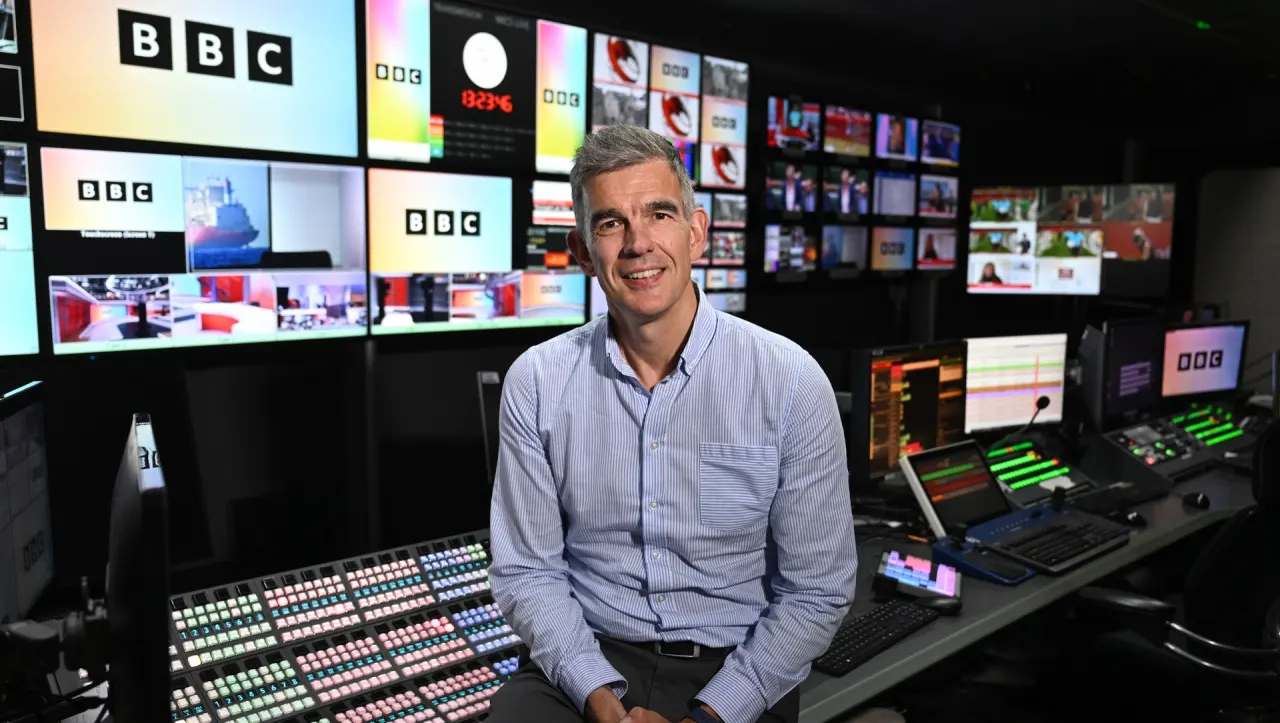
BBC Director General Matt Brittin has floated the idea of transforming iPlayer into a more open, creator-led service with a “public service algorithm”, making it resemble YouTube while retaining BBC editorial standards. The proposal, described as early-stage thinking rather than policy, matters because it signals a potential shift in how the BBC competes for online audiences and responds to weaknesses in iPlayer’s technology and recommendations.
Brittin said iPlayer had fallen behind rivals after years of prioritising programme spending over technology, despite retaining strong audience reach. His “iPlayer 2.0” vision would aim to educate, inform and entertain without commercial or US technology-company incentives, but he gave no details on creator pay or participation; it would also come amid plans to cut 2,000 roles and save about £500 million, after the BBC lost £1.3 billion in funding over the past decade.
- BBC chief floats creator-led iPlayer overhaul.
- Proposal aims for public-service recommendations.
- Financial pressures may force programme cuts.
New here? Start with this
The BBC is the UK’s publicly funded broadcaster, best known for television, radio and news. iPlayer is its online service for watching BBC programmes, where viewers can stream shows and find recommendations.
YouTube lets creators publish videos directly and uses an algorithm to suggest what viewers might watch next. The BBC’s challenge is to attract people who increasingly use online platforms while maintaining its public service aims to educate, inform and entertain.
The BBC is funded mainly through the TV licence fee and has faced pressure on its income and spending. Any move towards a more creator-led iPlayer would raise questions about how contributors take part and how recommendations fit with the BBC’s editorial standards.
Both sides, in good faith
The strongest fair case each way — we don't pick a winner.
The case for
A more creator-led iPlayer could help the BBC reach audiences who increasingly discover programmes through personalised online services, while giving independent and emerging creators a route to wider audiences. A public service algorithm, shaped by the BBC’s duties to inform, educate and entertain rather than maximise commercial returns, might offer relevant recommendations while preserving editorial standards and public value.
The case against
Opening iPlayer more widely to creator-led content could blur the distinction between a trusted public broadcaster and a general video platform, making it harder to uphold consistent editorial standards and accountability. With no details yet on creator participation or pay, and substantial savings and job cuts planned, critics could question whether the BBC has the resources to build the technology and safeguards this model would require.
Cricket Culture Entertainment Fashion Government Politics Sport Trending TV UK Weird & Viral World