BBC radio DJ Paul Gambaccini diagnosed with Alzheimer’s
Developed over time first seen 2 months ago
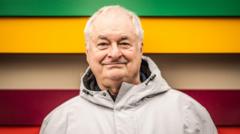
Veteran broadcaster Paul Gambaccini, a familiar voice on BBC Radio 2 and Greatest Hits Radio, has revealed that he has been diagnosed with Alzheimer's disease. The 77-year-old, who received the diagnosis in 2025, said he intends to keep presenting his programmes on both stations for as long as he can, describing the condition as serious but insisting that "for now life goes on as normal". Both stations and the Alzheimer's Society have voiced their support, with the charity noting that his openness shows "there can be life after a dementia diagnosis".
Born in New York City, Gambaccini began in college radio and at Rolling Stone magazine before joining BBC Radio 1 in 1973, where he fronted the US chart show for 18 years. Nicknamed "The Great Gambo" and "The Professor of Pop", he has presented across BBC Radio 1, 2, 3 and 4, was a founding presenter of Classic FM in 1992, and hosted shows including Counterpoint, Pick of the Pops and the Paul Gambaccini Collection. He was inducted into the Radio Academy Hall of Fame in 2005 and presented the last-ever Radio 2 broadcast from Wogan House in February 2024. The Alzheimer's Society said it had been supporting both him and his husband.
- Radio DJ Paul Gambaccini, 77, diagnosed with Alzheimer's disease.
- He plans to keep presenting on Radio 2 and Greatest Hits Radio.
- Stations and the Alzheimer's Society have pledged their support.
New here? Start with this
Paul Gambaccini is a well-known radio presenter who has spent decades on British radio, most recently on BBC Radio 2 and Greatest Hits Radio. Born in New York, he began his career in the US before joining BBC Radio 1 in 1973, going on to work across several BBC stations and Classic FM, and picking up nicknames such as "The Great Gambo" along the way.
He has now disclosed that he was diagnosed with Alzheimer's disease in 2025, a condition that affects memory and thinking and worsens over time. At 77, he says he plans to carry on presenting his shows for as long as possible.
The story matters because it involves a long-serving public broadcaster speaking openly about a serious diagnosis, at a time when dementia affects a large and growing number of people. His decision to continue working, and the support shown by the BBC and the Alzheimer's Society, has drawn attention to how people can continue to live and work after such a diagnosis.
More coverage