Sport news and discussion on TalkFuse.
Be like Sophie Cunningham, not Chris Simms — never give in to the outrage mob
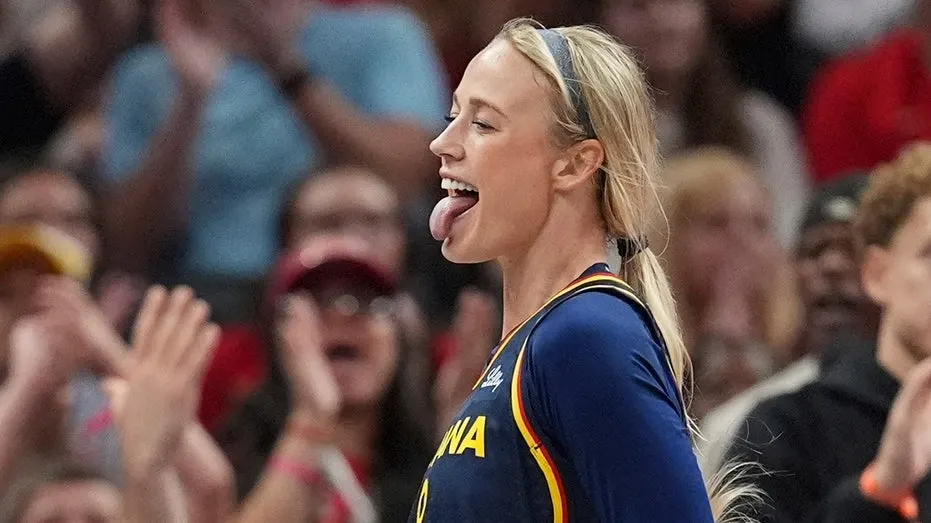
The article argues that Indiana Fever guard Sophie Cunningham was right to stand by her comments opposing transgender women competing in women’s sport, despite criticism and boos. It contrasts her response with NBC analyst Chris Simms, who apologised after saying Dante Moore’s late slide contributed to a difficult situation for the defender who hit him.
The writer also cites apologies by Arch Manning, Toronto Tempo coach Sandy Brondello and Detroit Lions receiver Amon-Ra St. Brown, arguing that public figures can lose respect when they apologise under online pressure for remarks or actions the writer considers harmless. The article acknowledges that apologies are appropriate when someone has done wrong, but presents Cunningham’s refusal to back down as an example of resisting what it calls an “outrage mob”.
In short
- The writer praises Cunningham for standing by her position.
- Simms apologised after comments about Moore’s injury and slide.
- The article argues apologies should be reserved for genuine wrongdoing.
Steelman: both sides, in good faith
The strongest fair case each way — we don't pick a winner.
The case for
Public figures who stand by defensible positions maintain intellectual integrity and model that honest discourse matters more than appeasement. When people apologise under social pressure for statements they believe are true or reasonable, they signal that truth-telling ranks below avoiding criticism, which erodes substantive debate and encourages everyone to retreat into uncontroversial platitudes rather than engage with difficult questions.
The case against
Public figures have disproportionate platforms and bear responsibility for how their words affect real people, which sometimes warrants reflection and apology even when standing on principle. Willingness to listen to criticism and express genuine regret—whether about impact, tone, or unintended implications—demonstrates intellectual humility and can deepen understanding. Dismissing all criticism as an illegitimate 'mob' overlooks that democratic feedback, however passionate, is how societies navigate contested issues.
Explained simply
Sophie Cunningham is a basketball player for the Indiana Fever who made public comments opposing transgender women competing in women's sport. When her remarks drew criticism and boos, she chose not to apologise or back down from what she had said.
This incident has become part of a wider conversation about how public figures respond to criticism and online pressure. The article compares Cunningham's response with several other public figures—including NBC analyst Chris Simms and various athletes—who chose to apologise after their remarks faced public backlash.
The underlying debate concerns different perspectives on how public figures should handle criticism. It raises questions about the relationship between public disagreement and whether public figures should adjust or maintain their positions in light of the response.
Basketball Business Celebrity Entertainment Markets Sport World