Beach where bathers must only speak German sparks racism row
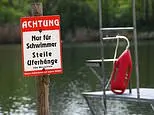
A tourist beach on Germany's Baltic coast has been accused of racism after organisers implemented a rule requiring bathers to speak only German while in the water, sparking a backlash from visitors and equality campaigners who argue the policy discriminates against foreign tourists and residents. Critics say the measure effectively excludes non-German speakers from using the beach freely and risks fostering an unwelcoming, exclusionary atmosphere at what is meant to be a public leisure spot.
Defenders of the rule, reportedly including local officials or beach management, have argued it was introduced for safety reasons, such as ensuring lifeguards and swimmers can communicate clearly in emergencies. Opponents counter that the policy is disproportionate and difficult to enforce fairly, and have called for it to be scrapped or replaced with a less discriminatory alternative, such as multilingual safety signage.
In short
- German beach requires bathers to speak only German
- Move condemned as discriminatory by critics and campaigners
- Officials cite safety; opponents demand the rule be dropped
Steelman: both sides, in good faith
The strongest fair case each way — we don't pick a winner.
The case for
The fundamental concern is safety in an emergency. When swimmers are in danger, lifeguards must communicate rescue instructions instantly and unambiguously, without the risk of misunderstanding that translation or language switching might introduce. A single-language requirement simplifies communication protocols and ensures every swimmer can understand critical safety messages immediately, potentially saving lives. This is narrowly tailored to the water environment where such immediate, life-or-death communication is essential, not a general policy about who can visit the beach.
The case against
The policy is discriminatory and disproportionate. Public beaches must welcome all regardless of language; moreover, the safety rationale is weak—lifeguards can use visual signals, symbols, basic emergency phrases, and multilingual signage rather than excluding non-German speakers. There is no evidence this beach has experienced harm from language barriers, yet the policy reliably deters foreign tourists and marginalises non-German-speaking residents. Rather than excluding people, genuinely effective safety improvements would focus on better signage, pictorial communication, and staff training, maintaining inclusion whilst addressing actual safety needs.
Explained simply
Germany’s Baltic coast is a popular holiday destination, and its beaches are used by both local residents and visitors from abroad. At busy bathing spots, lifeguards need to be able to communicate warnings and instructions quickly.
Beach rules are generally set by local authorities or the people managing a particular site. Requiring bathers to speak German in the water raises questions about how safety rules should work in a public space, and whether they treat people who speak other languages fairly.
Those defending the rule say a shared language could help in an emergency. Critics argue that it may exclude foreign visitors and residents, and that multilingual signs or other measures could address safety without restricting which languages people speak.